
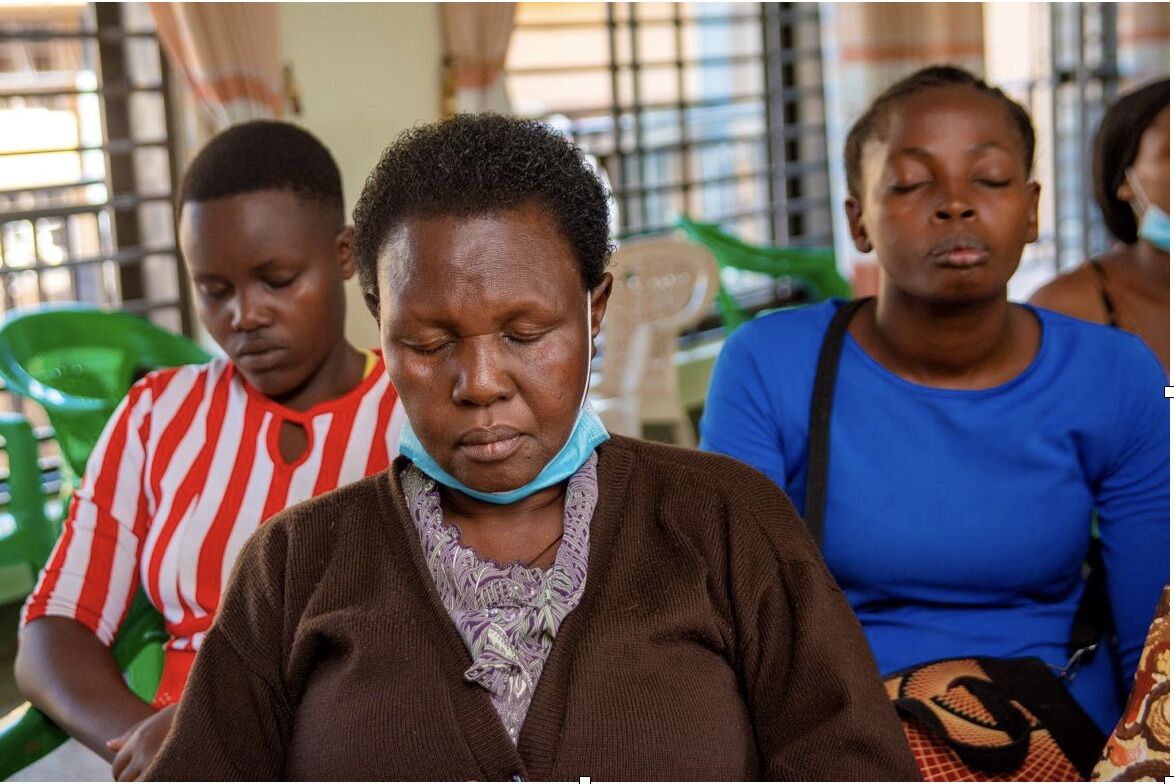
Finding strength within: MIU researcher Leslee Goldstein and the Ugandan women who taught her what resilience looks like
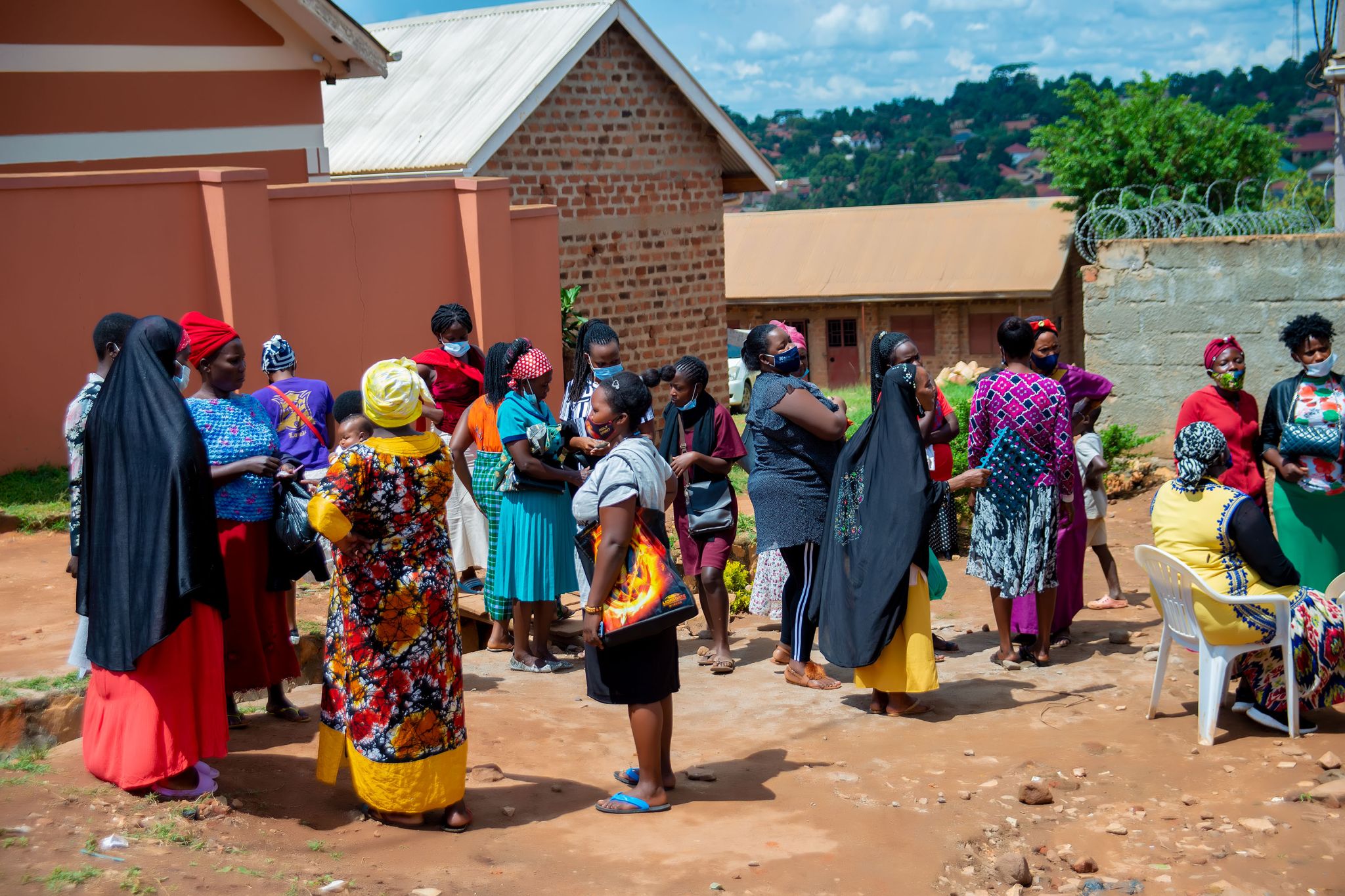
When the COVID-19 lockdowns gripped Uganda, women in Kampala’s city slums faced an impossible situation: dwindling food, lost work, and rising domestic tensions inside cramped homes.
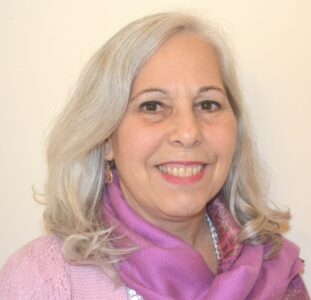
In that crisis, researcher Leslee Goldstein, PhD, helped evaluate a simple daily practice — Transcendental Meditation — that, according to her newly published peer-reviewed randomized controlled trial, made a measurable difference.
The study, published in February in the journal Health Care for Women International, has received notable attention in online mental‑health and science‑reporting outlets.
In just three months, women who learned TM showed statistically significant decreases in perceived stress, anger, and fatigue, along with improved sleep quality and increased self-efficacy — their belief that they could cope with life’s demands.
“Our results indicate TM doesn’t just help women to manage stress — it helps them to reduce and eliminate it.”
— Leslee Goldstein
“TM significantly helped these women improve their mental and physical health and their ability to cope in this crisis,” Goldstein says. “Our results indicate TM doesn’t just help women to manage stress — it helps them to reduce and eliminate it.”
Years in the making
For Goldstein, the project was the result of more than a decade’s work.
From 2014 to 2023, she served as Consultant and Director of Research for the Rona and Jeffrey Abramson Foundation, working closely with the African Women and Girls Organization (AWAGO), the TM women’s organization in Uganda. “AWAGO’s direct focus on TM programs for women led to the opportunity for me to conduct three studies,” Goldstein says.
Her first study, published in 2018, tracked gains in self-efficacy, perceived stress, and quality of life among mothers living in poverty conditions in the urban slums of Uganda. Her second, published in 2024, focused on female youth, assessing changes in self-esteem, self-efficacy, and gratitude.
This latest study, her third, was prompted by the extremely challenging situation for women in the slums of Uganda caused by the two national lockdowns during the Covid pandemic, which created an urgent national crisis.
“Their circumstances were already demanding,” Goldstein said. “They are mostly mothers struggling to feed and clothe their children and send them to school. Most are the main breadwinners in their families. With the lockdowns, they had the added burden of finding food for survival along with increased domestic violence.”
The study design
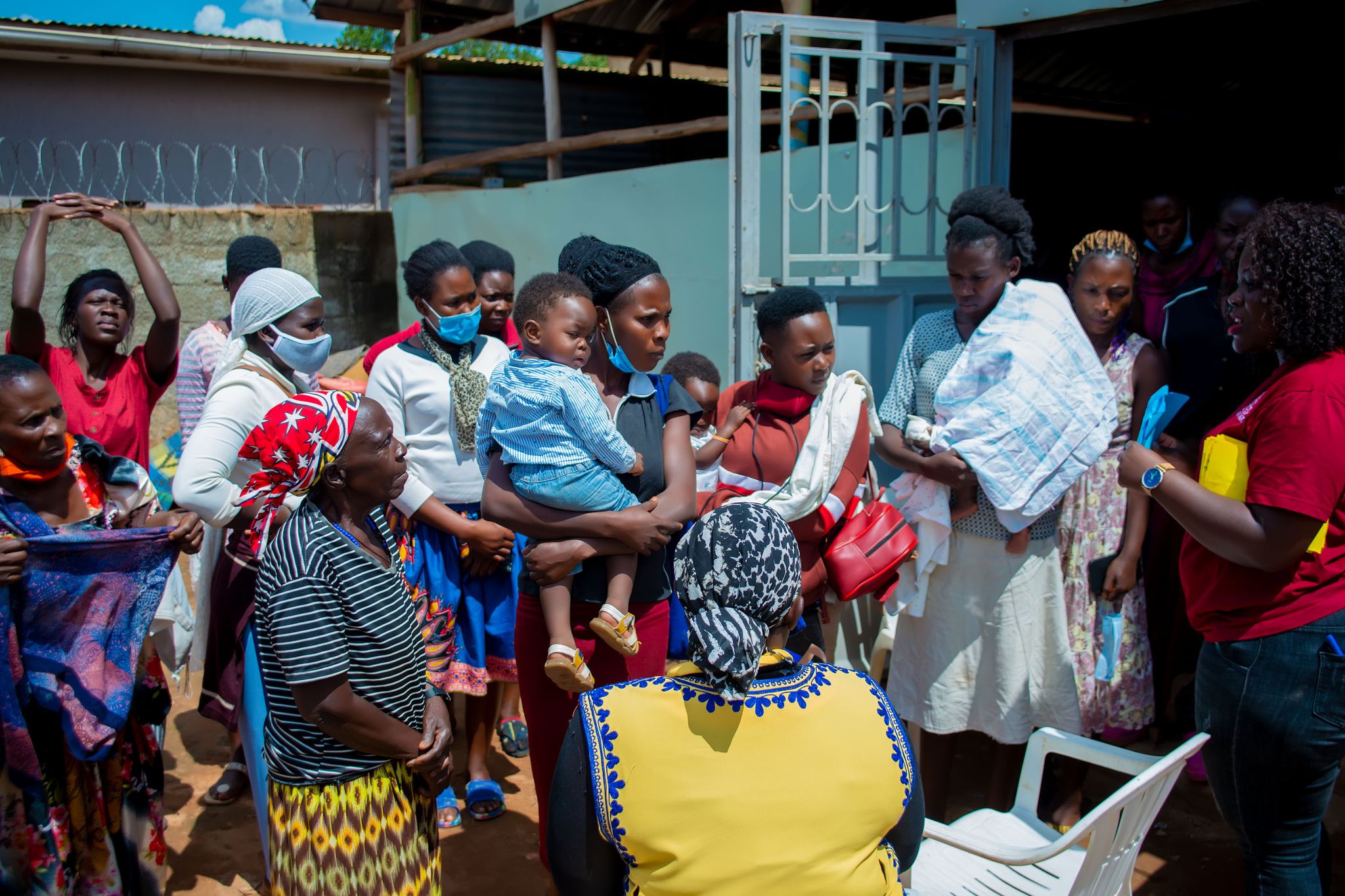
The study involved 199 women ages 16 to 73 from urban slums. Of the 199, 96 were randomly assigned to learn TM, while the others were assigned to a waitlist control group. The control group participants were later invited to learn Transcendental Meditation, and all chose to do so.
Goldstein and her team administered a questionnaire at baseline to assess the women’s psychological distress and coping ability in the wake of the lockdowns. They administered a similar questionnaire three months later — and, compared to the control group, found a significant reduction in perceived stress, anger, and fatigue, and significant improvements in self-efficacy (one’s perceived ability to deal with challenging circumstances) and sleep quality.
In a follow-up questionnaire at eight months, participants reported improved physical and mental health, improved relationships with their children and neighbors, and decreased domestic violence.
Stories of rapid personal transformation
The women’s words bring the data to life.
“I now have inner peace and self-control,” one subject said. “I feel confident with new situations,” said another. Another said, “We now talk and laugh, which was not the case before meditation.” One mother summed up the transformation: “They even tell me I am the best mother now since I learned TM.” Another woman, reflecting on domestic tensions, said, “The fact that now I have peace of mind, it’s hard for me to pick up a fight.”
Community leaders noticed the same transformations.
“TM has changed these women and girls,” said Fausta Zadoch, local church leader and counsellor who also found fewer women and girls coming in for counseling. “They are now stress-free, and everything is changed and improved, spiritually, financially, and physically. We are grateful for this beautiful program and would like to see this program expand to many communities around the world.”
A team effort
“The results didn’t surprise us,” Goldstein said. “We heard the same outcomes from TM teachers in Uganda and from the many community organizations where TM has been taught. Our goal here was to conduct a professional research study, using a gold-standard randomized controlled design, that would document the benefits of TM for this population.”
“They feel better about themselves. They feel empowered from within, more capable of manifesting a smoother path forward in their lives.”
— Leslee Goldstein
Beneath the statistics is a theory Goldstein has helped refine across these studies: empowerment from within. “TM practice has given them greater inner strength,” she says. “They feel better about themselves. They feel empowered from within, more capable of manifesting a smoother path forward in their lives.”
That empowerment is practical as much as it is personal. “It is critically important for these women to have a tool that they can use themselves, for themselves, by themselves,” she says.
The personal side
Goldstein says she has benefited immensely from this work.
“While working closely with the AWAGO management team, I learned so much about the Ugandan culture, and I watched this organization grow to be one of the biggest and most successful TM Women’s organizations in the world,” she says.
The work often unfolded over Zoom, but the distance didn’t diminish the connection.
“These women became like family to me.”
— Leslee Goldstein
“These women became like family to me,” she says. “My life, my destiny, has been beautifully intertwined with this culture and with these women for so many years. I have experienced great heart expansion and appreciation for the power of our TM programs. I am extremely grateful, blessed, and honored with grace for this opportunity.”
What’s next? Goldstein isn’t slowing down.
“I am continuing to do TM research with women,” she says. “Currently, I am working on a research project with women in Nepal who are mothers of students at a secondary school where all the children learn TM as part of their daily school routine. I am planning another project with colleagues in Uganda to conduct a PTSD study with female refugees.”
* * * * * * *
Funding for the study was provided by the Rona and Jeffrey Abramson Foundation.
Coauthors of the study are Daniela Romagnoli, PhD, and Sanford Nidich, PhD, Director of MIU’s PhD program in Physiology & Health and Director of the MIU Center for Social-Emotional Health & Consciousness.