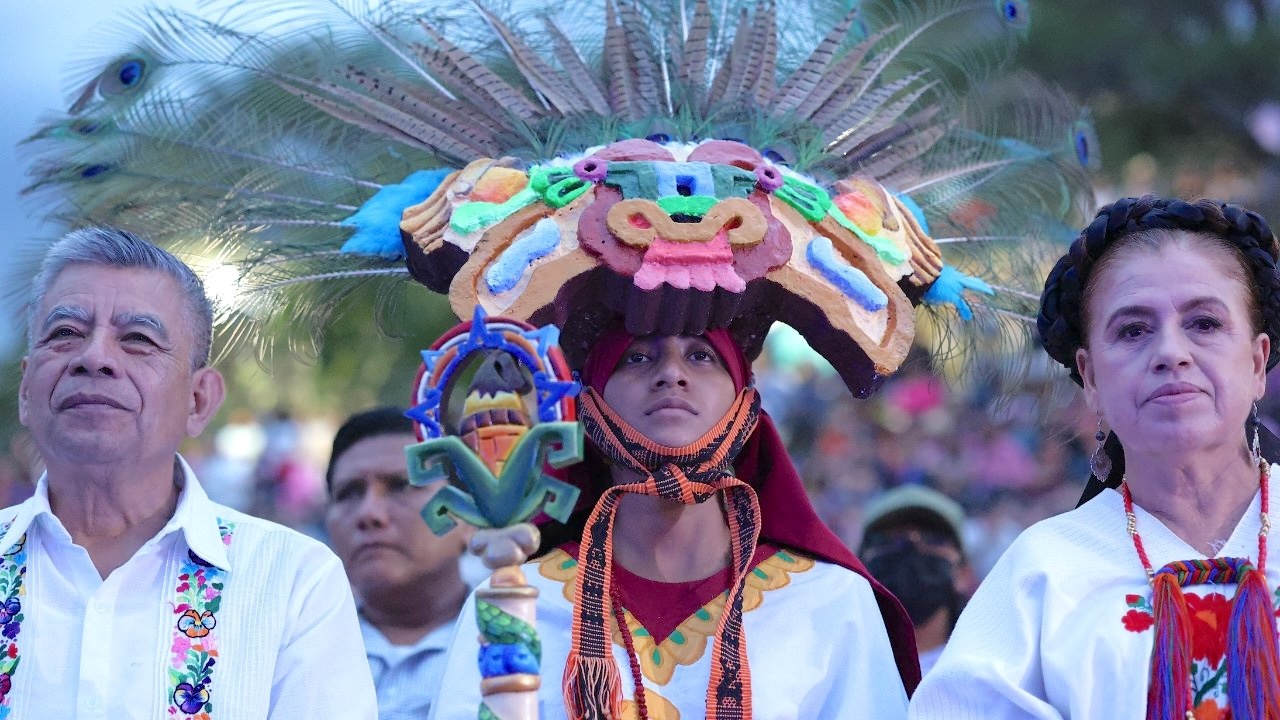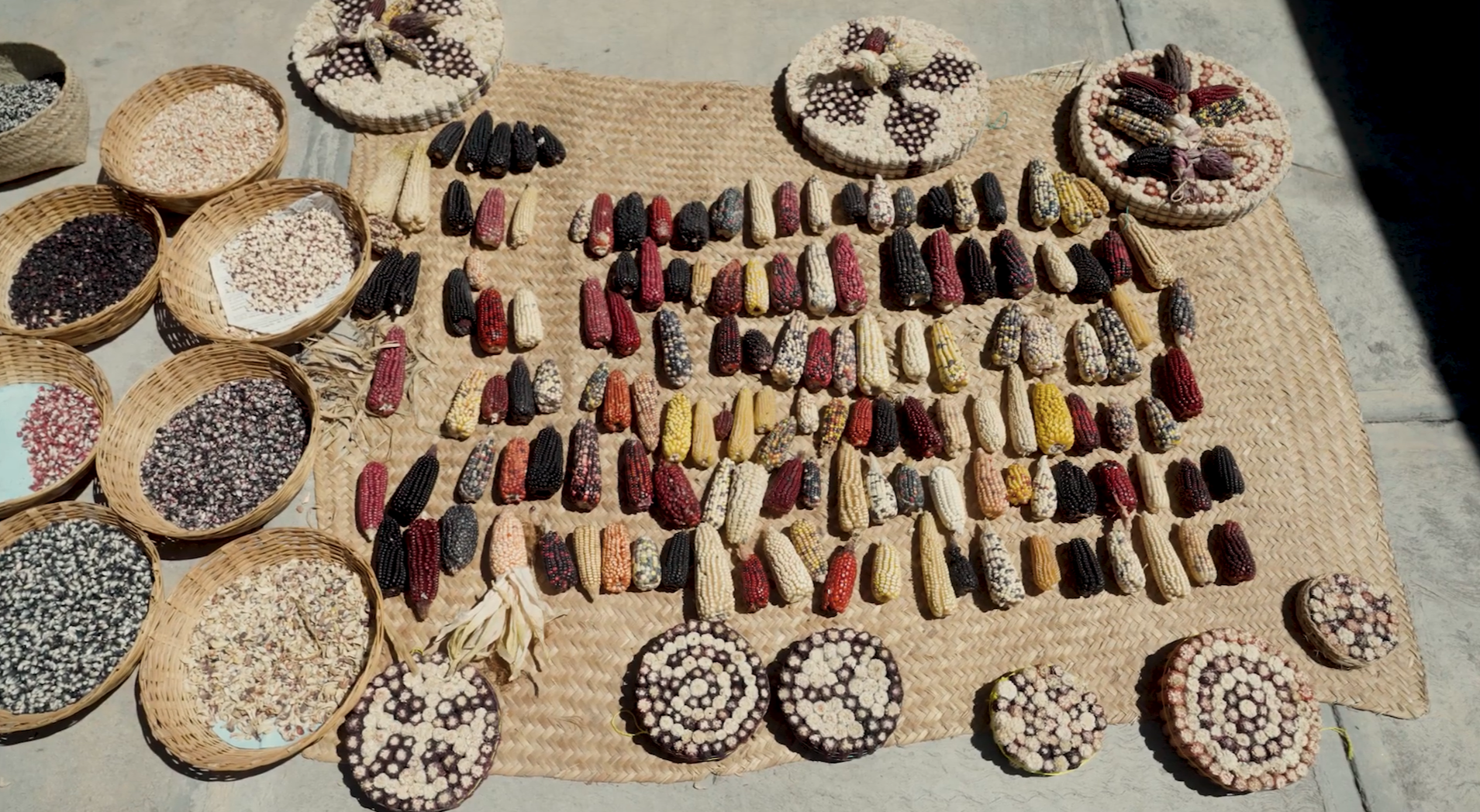
Documentary by MIU faculty on Mexico’s fight for native seeds wins international recognition
A new documentary by MIU professor and filmmaker Stuart Tanner is drawing international attention for its exploration of Mexico’s struggle to protect native corn varieties, biodiversity, and food sovereignty in the face of pressure to adopt genetically modified crops and industrial agricultural practices.
“This documentary is about more than agriculture — it is about identity, resistance, and the fundamental right to shape our own future.”
— Stuart Tanner
Seeds of Sovereignty, a 50-minute documentary and a standout success on the international film festival circuit, examines the conflict between Mexico and the United States over genetically modified corn and the future of traditional agriculture.

Seeds of Sovereignty examines Mexico’s battle to preserve its native corn and farming traditions in the face of GMO crops and corporate agriculture. The documentary highlights threats to biodiversity, food sovereignty, and cultural identity while making the case that decisions made in Mexico today could affect the future of food globally.

Through interviews with farmers, scientists, activists, and community leaders, the film highlights efforts to preserve native maize varieties that have been cultivated for thousands of years.

“Mexico is at a pivotal moment, fighting to protect its native seeds, land, and people from the threat of genetically modified crops and harmful agrochemicals,” Tanner writes in his director’s statement. “This documentary is about more than agriculture — it is about identity, resistance, and the fundamental right to shape our own future.”
Tanner, an award-winning documentary filmmaker and investigative journalist, has produced films for major broadcasters including the BBC, Channel 4, National Geographic, Discovery, Frontline PBS, and ITV. His work has taken him to more than 20 countries and earned numerous international awards. At MIU he is an assistant professor of Cinematic Arts & New Media.
Cody Olivas, assistant professor of Cinematic Arts & New Media at MIU, was the director of photography, and Amine Kouider, chair of the Cinematic Arts and New Media department, served as sound director.
Concerns about industrial agriculture
According to Tanner, the film grew out of concerns about the environmental and social consequences of industrial agriculture.
“I became increasingly troubled by the question of whether this model of agriculture is really serving the people who live alongside it, or whether it primarily serves large corporations that rarely carry the human and environmental costs of the system they profit from,” he wrote in an article discussing the project.
The documentary argues that the battle over corn in Mexico extends beyond agricultural policy. Native maize is deeply embedded in Mexican culture, cuisine, and identity, making efforts to preserve traditional seed varieties matters of cultural and ecological significance.
Tanner hopes the film will encourage audiences to consider broader questions about food systems and sustainability.
“As a filmmaker, my goal is to bring audiences into this fight, not just to inform, but to inspire action,” he writes. “The battle to protect native seeds in Mexico is part of a larger fight for food sovereignty worldwide. Who controls the food we eat? What are the long-term consequences of prioritizing profit over people and the planet?”
“Food sovereignty is easy to read about or discuss in the abstract,” Olivas says. “It becomes something else entirely when you’re looking out over a milpa or sitting with a family whose seed has been selected by hand for nine thousand years and asking them what contamination would actually cost.”

“We want the world to understand the challenges Mexico faces in protecting a food and agricultural system that is thousands of years old,” says Randall Tolpinrud, founder of the Pax Natura Foundation, which funded the project. “That system is under pressure from multinational corporations seeking to reshape the country’s food production and distribution in ways that serve corporate interests, backed largely by organizations and governments in the United States and Europe. Our goal is to document the people resisting those efforts.”
A standout success on the international film festival circuit
The film has resonated strongly with festival audiences. Pax Natura reports that Seeds of Sovereignty has been selected by 77 film festivals in 35 countries and has received 20 awards and honors. These include awards for Best Documentary, Best Environmental Documentary, Best Director, Best Television Documentary, Best Feature Documentary, and Best Half-Length Film.
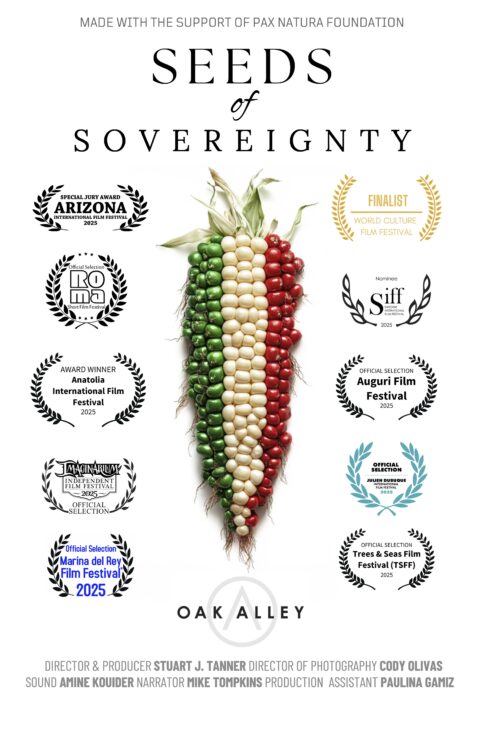
Among the many festivals recognizing the documentary are the Madrid Film Festival, the Seattle International Film Festival, the Arizona International Film Festival, the Indie Vegas Film Festival, the Wallachia Film Festival, the Liber Film Festival, the Synergy Film Festival, and the World Culture Film Festival in Los Angeles.
The Arizona International Film Festival awarded the film a Special Jury Award for Activist Filmmaking, citing its exploration of Mexico’s efforts to defend biodiversity, food sovereignty, and cultural heritage. The film won the Best Documentary Award four other film festivals and the Best Environmental Documentary at two more.
Festival organizers and reviewers have praised the documentary’s treatment of a complex global issue. The Auguri Film Festival in Italy described Seeds of Sovereignty as “a powerful and thought-provoking documentary that truly captures the urgency of a global issue, the fight for biodiversity and food sovereignty.”
“This is more than a film. It is a call to defend small-scale, sustainable farming, farming that nourishes people, preserves the environment, and promotes human health.”
— Stuart Tanner
The Organic & Non-GMO Report called the film an exploration of “Mexico’s fight to protect its agricultural heritage,” noting its focus on legal and grassroots efforts to preserve native corn varieties and indigenous farming traditions.
As the documentary continues its international festival run, Tanner believes the issues it raises extend far beyond Mexico.
“This is more than a film,” he writes. “It is a call to defend small-scale, sustainable farming, farming that nourishes people, preserves the environment, and promotes human health.”
Seeds of Sovereignty is an independent production of Oak Alley Productions.
Interested in documentary filmmaking?
Stuart Tanner and Amine Kouider have just launched an MFA in Documentary Filmmaking & Social Transformation.