
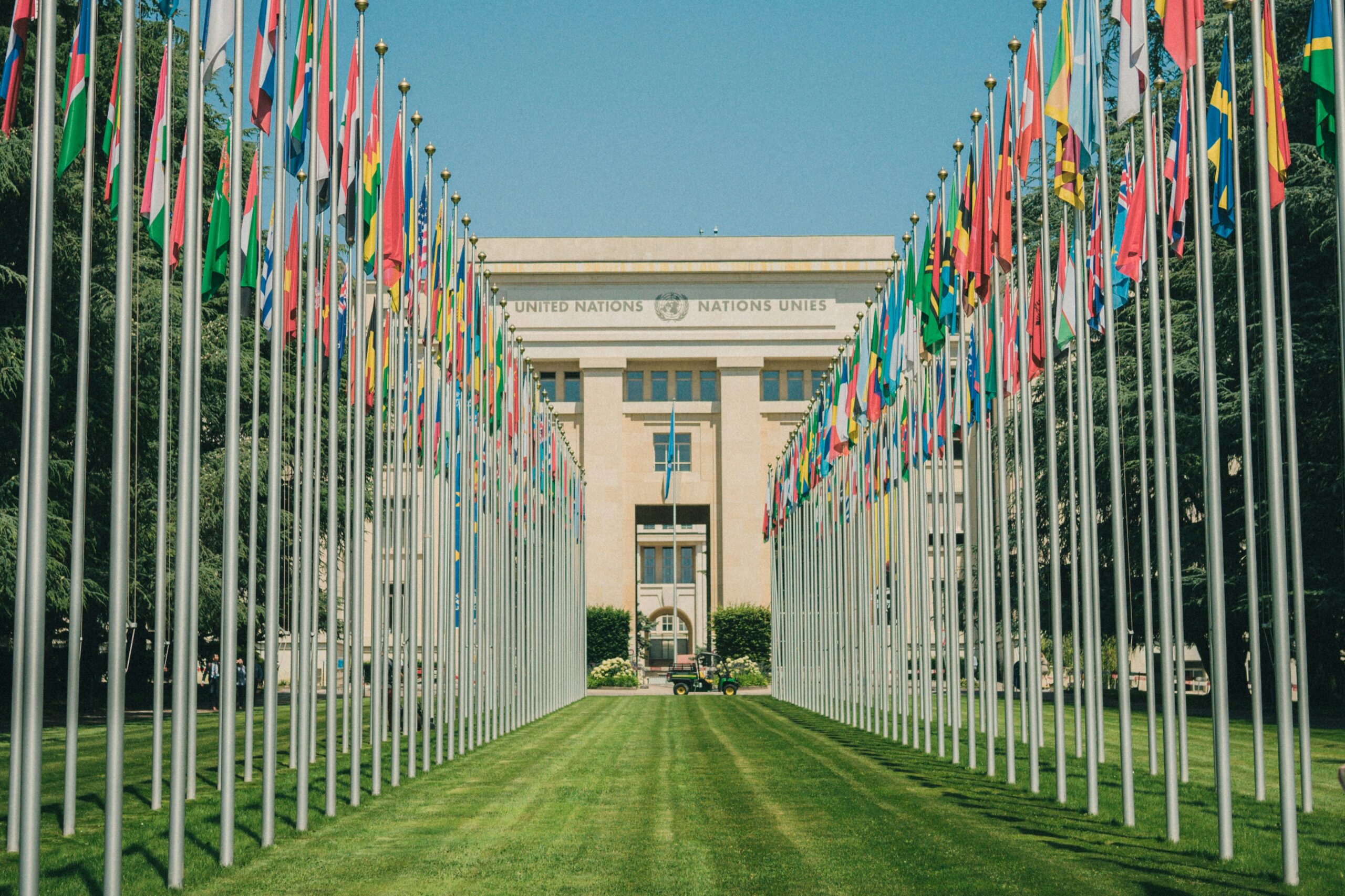
MIU builds connections with the United Nations
MIU is rapidly expanding its visibility and leadership within the United Nations system, with senior university figures participating in a series of high‑level UN‑sponsored events over the past two years.
From keynote addresses at the UN’s inaugural and second annual World Meditation Day observances to an upcoming academic presentation before a major UN scholarly council, MIU is helping shape global conversations on meditation, public health, and human resilience.
“The UN’s recognition of World Meditation Day reflects a growing understanding that inner development and outer peace are inseparably linked.”
— Dr. John Hagelin
“We are witnessing a shift in the global conversation — from meditation as a personal wellness tool to meditation as a strategic resource for public health and conflict prevention,” Dr. John Hagelin said. “The UN’s recognition of World Meditation Day reflects a growing understanding that inner development and outer peace are inseparably linked.”
A historic first: Dr. Tony Nader keynotes the inaugural World Meditation Day
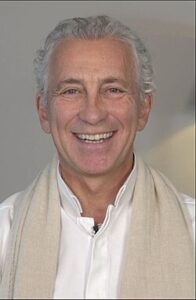
Momentum began on December 20, 2024, when MIU President Dr. Tony Nader was invited as the sole non‑diplomat keynote speaker at the United Nations’ first‑ever World Meditation Day celebration in New York City. The event followed a unanimous General Assembly resolution establishing December 21 as an annual observance dedicated to “Inner Peace, Global Harmony.”
More than 200 attendees — including diplomats from roughly 30 UN member states and leaders of UN‑affiliated NGOs — gathered for the inaugural event. Senior diplomats from the six sponsoring nations — India, Sri Lanka, Liechtenstein, Nepal, Mexico, and Andorra — were prominently represented. Volker Türk, UN High Commissioner for Human Rights, addressed participants live from Zurich.
In his keynote, Dr. Nader emphasized that “meditation is not a luxury — it’s a necessity,” describing the Transcendental Meditation technique as a universal, non‑religious technology for inner renewal. Citing the UNESCO constitution’s assertion that peace must be built in the minds of individuals, he argued that TM provides a systematic means of doing so.
Dr. Nader referenced more than 750 scientific studies on TM’s health benefits, along with over 118 studies showing reductions in crime, illness, and conflict during large‑group practice. He also recalled a landmark 1993 Washington, D.C., study in which researchers documented a significant drop in violent crime coinciding with a large meditation group assembled in the city.
The global observance drew more than one million participants worldwide on December 21, marking the start of what is now an annual UN‑recognized event.
Sustained engagement: Dr. John Hagelin at the International Day of Peace and World Meditation Day in 2025
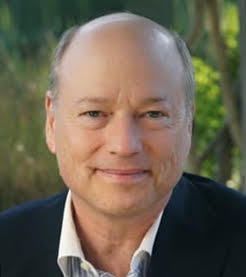
Building on that foundation, MIU leaders again played a central role at the United Nations in 2025.
On September 21, Dr. John Hagelin delivered a keynote address as part of the International Day of Peace global celebration, coordinated internationally in connection with the UN. His talk, “World Peace through Inner Peace: An Evidence‑Based Approach,” outlined five core elements of the brain‑based / Consciousness‑Based® approach to peace. Watch the presentation here.
On December 21, 2025, Hagelin spoke at the second annual World Meditation Day commemorations at UN Headquarters, held in the historic Trusteeship Council Chamber. The gathering reflected growing institutional interest in meditation as a tool for public health, resilience, and peacebuilding. Speaking as a scientist and international president of the Global Union of Scientists for Peace, Hagelin presented research on the mechanisms by which large‑group meditation produces societal coherence, alongside diplomats, academics, and spiritual leaders.
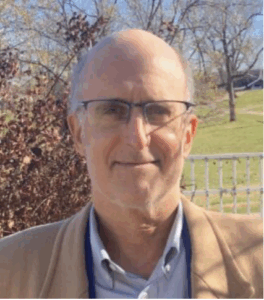
Dr. Robert Schneider, originally scheduled to speak in Dr. Nader’s place on cardiovascular benefits of TM, arrived shortly before the conclusion due to weather‑related delays, and Hagelin presented in his stead.
In his remarks, Hagelin described meditation as a “non‑political, non‑coercive technology of peace — grounded in science and accessible to all,” noting a shift in global discourse toward its relevance for conflict prevention and public health.
Although World Meditation Day is only two years old, participants at the 2025 observance highlighted its role as a catalyst for new institutional pathways within the UN system.
Academic integration and policy impact
Emerging initiatives now involve engagement with the Academic Council on the United Nations System (ACUNS), preparation for future Economic and Social Council (ECOSOC) Consultative Status applications, collaborations around the International Day of Yoga, and potential participation in interfaith and comparative religion conferences.
Central to MIU’s expanding role is the effort to introduce evidence‑based meditation research directly into UN academic and policy networks. Engagement with ACUNS — a key scholarly partner — offers opportunities to integrate meditation into discussions of sustainable development, mental health, environmental stress, and human security.
ECOSOC Consultative Status remains a strategic priority, enabling TM‑affiliated organizations to participate more formally in UN meetings, submit written statements, and host side events across the system.
Looking ahead: MIU to present at ACUNS annual meeting in Portugal

The next milestone comes on June 6, 2026, when Dr. Schneider and Dr. Charlotte Bech present peer‑reviewed research at the ACUNS Annual Meeting in Lisbon, Portugal. Their paper, “Environmental Stress, Cardiovascular Risk, and Human Resilience: Evidence‑Based Pathways for Multilateral Policy Integration,” examines cardiovascular disease as a downstream effect of environmental and psychosocial stressors.
They will outline preventive cardiovascular strategies for climate, environmental, urban, and social policy frameworks, and highlight evidence‑based stress‑reduction interventions — including TM — as components of resilience‑oriented public health policy.
“This places Dr. Schneider and TM in front of a very prestigious audience of academic advisers to UN leadership,” said Craig Hobbs, an organizer of MIU’s UN engagements. “It also adds credibility and visibility to Dr. Hagelin’s and Dr. Nader’s work with global governance bodies.”
“We are at a pivotal moment where meditation is no longer viewed as alternative or adjunctive, but as complementary and integrative within mainstream medical practice.”
— Dr. Robert Schneider
“We are at a pivotal moment where meditation is no longer viewed as alternative or adjunctive, but as complementary and integrative within mainstream medical practice,” Dr. Schneider said. “The data support its inclusion in preventive cardiology, workplace health programs, and trauma-informed care.”
A growing role on the world stage
From keynote speeches at UN headquarters to academic presentations shaping international policy conversations, MIU’s leadership is building a respected presence in multilateral discussions on peace, public health, and human development — and new avenues of engagement continue to open.
* * * * * * *