
When the COVID-19 lockdowns gripped Uganda, women in Kampala’s city slums faced an impossible situation: dwindling food, lost work, and rising domestic tensions inside cramped homes.
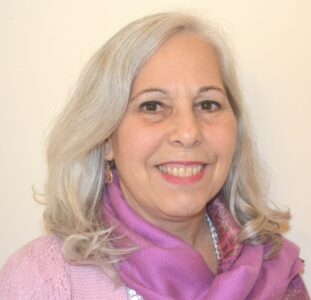
In that crisis, researcher Leslee Goldstein, PhD, helped evaluate a simple daily practice — Transcendental Meditation — that, according to her newly published peer-reviewed randomized controlled trial, made a measurable difference.
The study, published in February in the journal Health Care for Women International, has received notable attention in online mental‑health and science‑reporting outlets.
In just three months, women who learned TM showed statistically significant decreases in perceived stress, anger, and fatigue, along with improved sleep quality and increased self-efficacy — their belief that they could cope with life’s demands.
“Our results indicate TM doesn’t just help women to manage stress — it helps them to reduce and eliminate it.”
— Leslee Goldstein
“TM significantly helped these women improve their mental and physical health and their ability to cope in this crisis,” Goldstein says. “Our results indicate TM doesn’t just help women to manage stress — it helps them to reduce and eliminate it.”
Years in the making
For Goldstein, the project was the result of more than a decade’s work.
From 2014 to 2023, she served as Consultant and Director of Research for the Rona and Jeffrey Abramson Foundation, working closely with the African Women and Girls Organization (AWAGO), the TM women’s organization in Uganda. “AWAGO’s direct focus on TM programs for women led to the opportunity for me to conduct three studies,” Goldstein says.
Her first study, published in 2018, tracked gains in self-efficacy, perceived stress, and quality of life among mothers living in poverty conditions in the urban slums of Uganda. Her second, published in 2024, focused on female youth, assessing changes in self-esteem, self-efficacy, and gratitude.
This latest study, her third, was prompted by the extremely challenging situation for women in the slums of Uganda caused by the two national lockdowns during the Covid pandemic, which created an urgent national crisis.
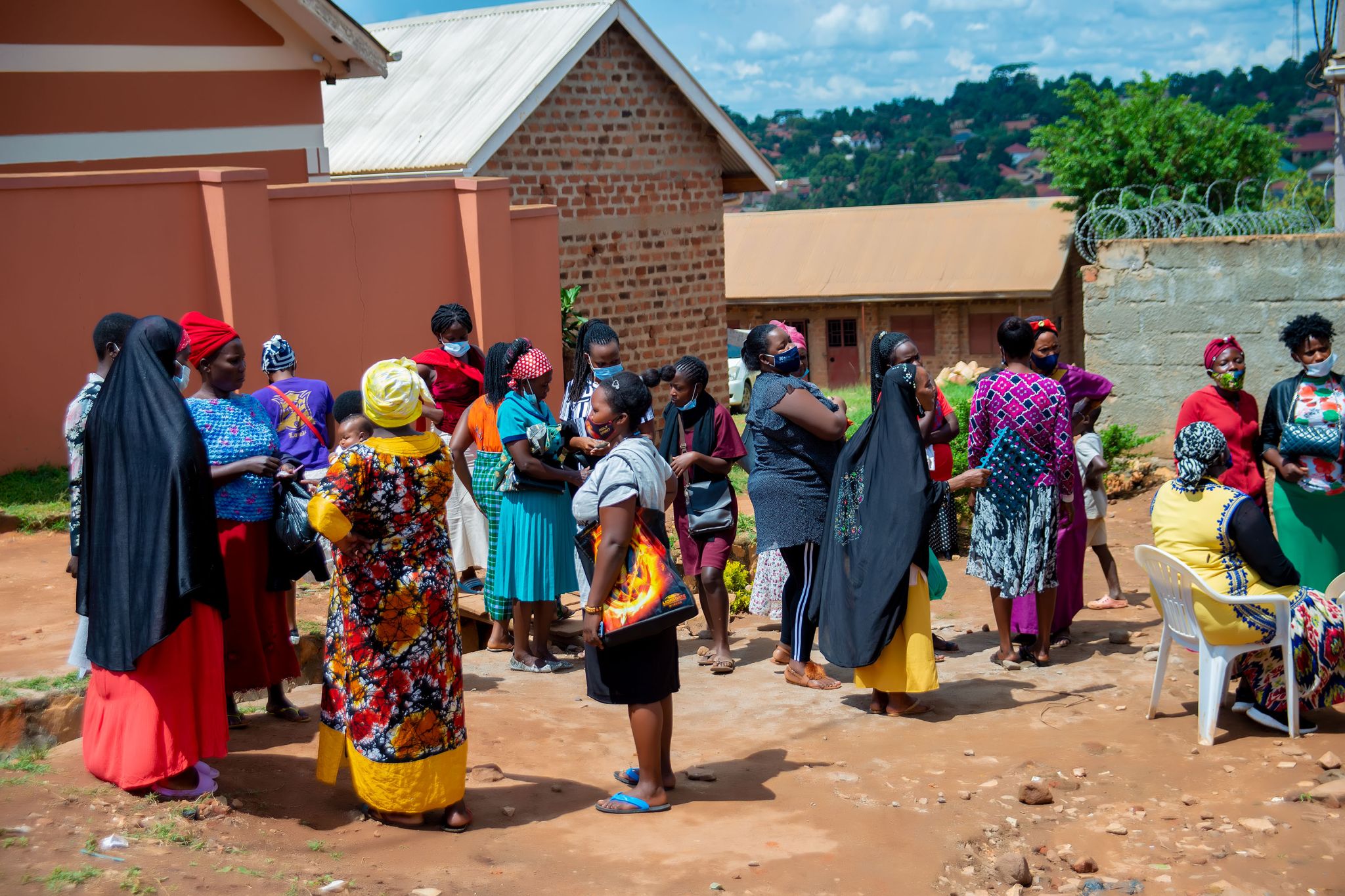
“Their circumstances were already demanding,” Goldstein said. “They are mostly mothers struggling to feed and clothe their children and send them to school. Most are the main breadwinners in their families. With the lockdowns, they had the added burden of finding food for survival along with increased domestic violence.”
The study design
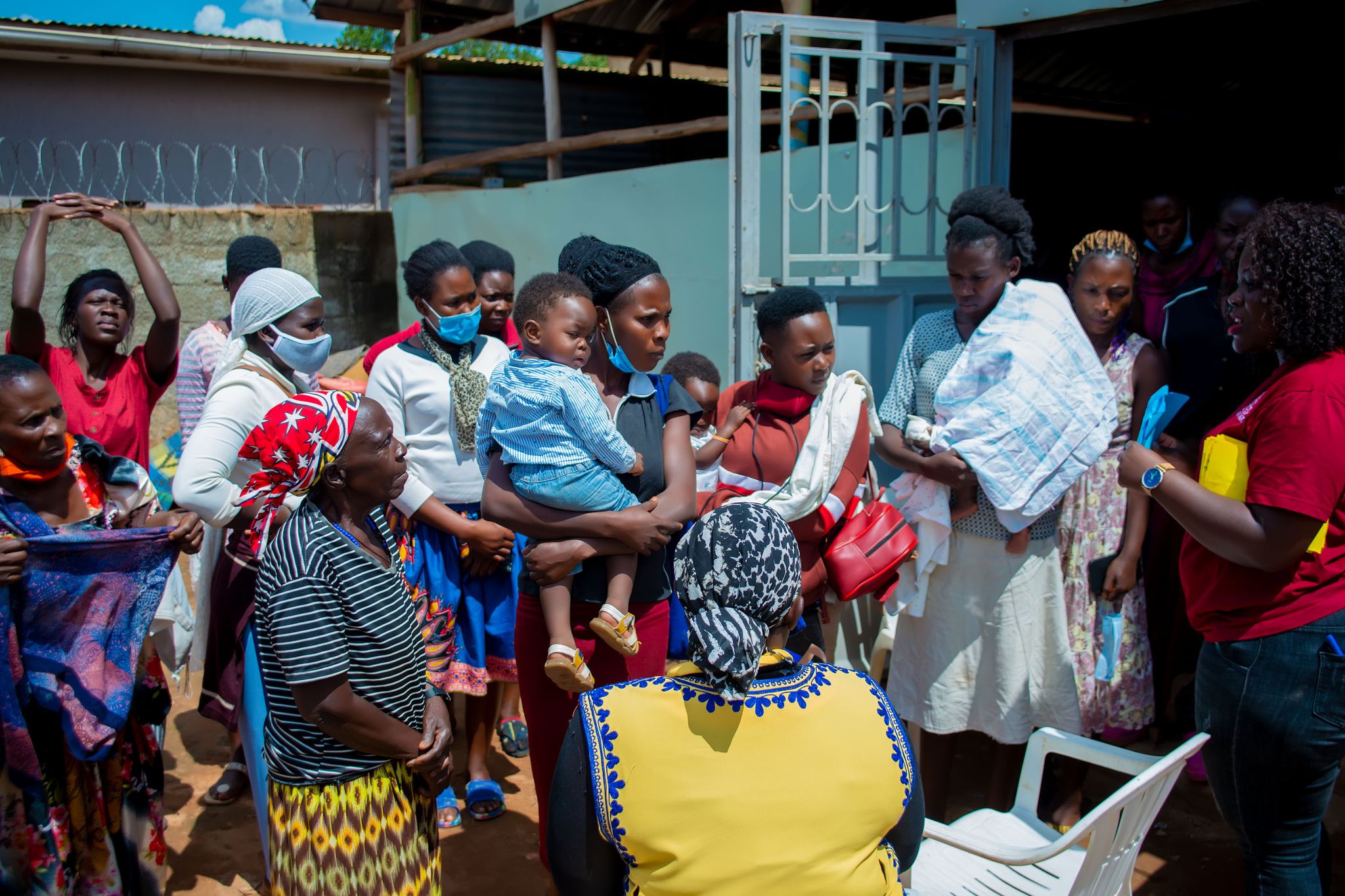
The study involved 199 women ages 16 to 73 from urban slums. Of the 199, 96 were randomly assigned to learn TM, while the others were assigned to a waitlist control group. The control group participants were later invited to learn Transcendental Meditation, and all chose to do so.
Goldstein and her team administered a questionnaire at baseline to assess the women’s psychological distress and coping ability in the wake of the lockdowns. They administered a similar questionnaire three months later — and, compared to the control group, found a significant reduction in perceived stress, anger, and fatigue, and significant improvements in self-efficacy (one’s perceived ability to deal with challenging circumstances) and sleep quality.
In a follow-up questionnaire at eight months, participants reported improved physical and mental health, improved relationships with their children and neighbors, and decreased domestic violence.
Stories of rapid personal transformation
The women’s words bring the data to life.
“I now have inner peace and self-control,” one subject said. “I feel confident with new situations,” said another. Another said, “We now talk and laugh, which was not the case before meditation.” One mother summed up the transformation: “They even tell me I am the best mother now since I learned TM.” Another woman, reflecting on domestic tensions, said, “The fact that now I have peace of mind, it’s hard for me to pick up a fight.”
Community leaders noticed the same transformations.
“TM has changed these women and girls,” said Fausta Zadoch, local church leader and counsellor who also found fewer women and girls coming in for counseling. “They are now stress-free, and everything is changed and improved, spiritually, financially, and physically. We are grateful for this beautiful program and would like to see this program expand to many communities around the world.”
A team effort
“The results didn’t surprise us,” Goldstein said. “We heard the same outcomes from TM teachers in Uganda and from the many community organizations where TM has been taught. Our goal here was to conduct a professional research study, using a gold-standard randomized controlled design, that would document the benefits of TM for this population.”
“They feel better about themselves. They feel empowered from within, more capable of manifesting a smoother path forward in their lives.”
— Leslee Goldstein
Beneath the statistics is a theory Goldstein has helped refine across these studies: empowerment from within. “TM practice has given them greater inner strength,” she says. “They feel better about themselves. They feel empowered from within, more capable of manifesting a smoother path forward in their lives.”
That empowerment is practical as much as it is personal. “It is critically important for these women to have a tool that they can use themselves, for themselves, by themselves,” she says.
The personal side
Goldstein says she has benefited immensely from this work.
“While working closely with the AWAGO management team, I learned so much about the Ugandan culture, and I watched this organization grow to be one of the biggest and most successful TM Women’s organizations in the world,” she says.
The work often unfolded over Zoom, but the distance didn’t diminish the connection.
“These women became like family to me.”
— Leslee Goldstein
“These women became like family to me,” she says. “My life, my destiny, has been beautifully intertwined with this culture and with these women for so many years. I have experienced great heart expansion and appreciation for the power of our TM programs. I am extremely grateful, blessed, and honored with grace for this opportunity.”
What’s next? Goldstein isn’t slowing down.
“I am continuing to do TM research with women,” she says. “Currently, I am working on a research project with women in Nepal who are mothers of students at a secondary school where all the children learn TM as part of their daily school routine. I am planning another project with colleagues in Uganda to conduct a PTSD study with female refugees.”
* * * * * * *
Funding for the study was provided by the Rona and Jeffrey Abramson Foundation.
Coauthors of the study are Daniela Romagnoli, PhD, and Sanford Nidich, PhD, Director of MIU’s PhD program in Physiology & Health and Director of the MIU Center for Social-Emotional Health & Consciousness.
MIU has announced a multi-year plan to close and redevelop Utopia Park, the longtime mobile‑home community on the north side of campus, with the transition scheduled to unfold in six phases through August 2028.
The decision follows a comprehensive infrastructure review conducted after MIU assumed full management of the property in July 2025. While many of the park’s mobile homes have received interior improvements in recent decades, the underlying water, sewer, and electrical systems — originally installed in 1983 — are now more than 40 years old. City regulations require that all utilities be fully removed and replaced before any new construction can begin, necessitating a complete clearing of the site.
A community with deep roots
Utopia Park was originally built at the end of 1983 as temporary housing for thousands of visitors attending MIU’s historic A Taste of Utopia assembly. Nearly 200 trailers were constructed in just weeks. In the years that followed, the park became an important source of affordable housing close to the Golden Domes for students, faculty, staff, and community members, often serving as a first residence for newcomers to Fairfield.
In May 2022, during the university’s Golden Jubilee celebration, MIU leaders announced plans to redevelop the area as the Global Peace Village. In June 2023, the Global Peace Village was inaugurated with six new townhouses. The event, led by Dr. John Hagelin and Raja Howard Settle, marked the largest step yet in the long-term redevelopment plans.

Six‑phase closure through 2028
The newly announced transition plan outlines a gradual, two‑and‑a‑half‑year closure intended to give residents time to prepare while allowing crews to safely remove structures and utilities. The phased timeline is intended to create as smooth and supportive a process as possible.
The phases are scheduled as follows:
- Phase 1: February–July 2026 – Rows L and M, plus E21–22 & F21–22
- Phase 2: July–December 2026 – Row J
- Phase 3: December 2026–May 2027 – Rows A, B, & C
- Phase 4: May–October 2027 – Row K
- Phase 5: October 2027–March 2028 – Rows G, H, & I
- Phase 6: March–August 2028 – Rows D, E, and F
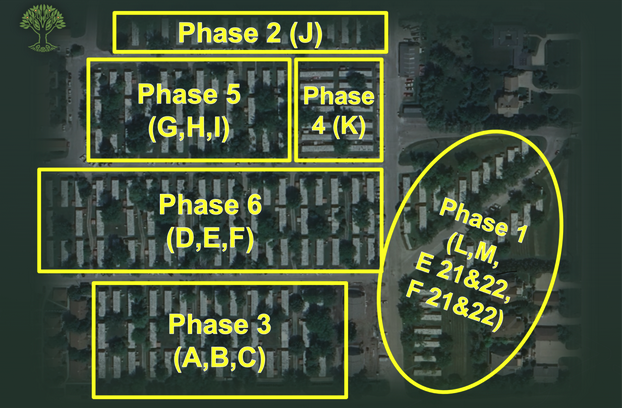
The work will move in a coordinated inward pattern to ensure safe demolition while minimizing disruption.
Support for residents
MIU leadership emphasized that supporting residents throughout the transition is a top priority. University leaders have held two informational town hall meetings to share details, answer questions, and discuss individual needs. Additional sessions will continue throughout the transition period.
To assist older adults in particular, MIU is partnering with Milestones Area Agency on Aging, which will provide one‑on‑one assistance to residents aged 60 and above. Milestones will help individuals review housing options, complete necessary documentation, and access available support services.
Residents can direct questions or request assistance by emailing utopiaparktransitions@miu.edu. MIU has also launched a website — https://utopia-park.miu.edu — to provide ongoing updates, resources, and the latest timeline information.
Redevelopment plans ahead
Once the park is fully cleared and infrastructure replaced, MIU plans to redevelop the property according to Maharishi Vastu architectural principles. Planning for the new construction is in early stages, and university officials estimate that new housing is still several years away.
“Even as we begin the process of renewal, we remain committed to sustaining the spirit of Utopia Park.”
— MIU CEO Bill Smith
“Utopia Park has played an enormous role in MIU’s history,” said MIU CEO Bill Smith. “And we know this redevelopment marks the end of an era. But as we begin the process of renewal, we remain committed to sustaining the spirit of Utopia Park. We are also committed to transparency, thoughtful planning, and support for every resident affected by this transition.”

Drone photography by Ron Wilson
Amine Kouider, chair of the Department of Cinematic Arts and New Media at MIU, recently returned from a wide‑ranging visit to Japan that highlighted growing international interest in Consciousness‑Based Education, creativity, and global academic partnerships.
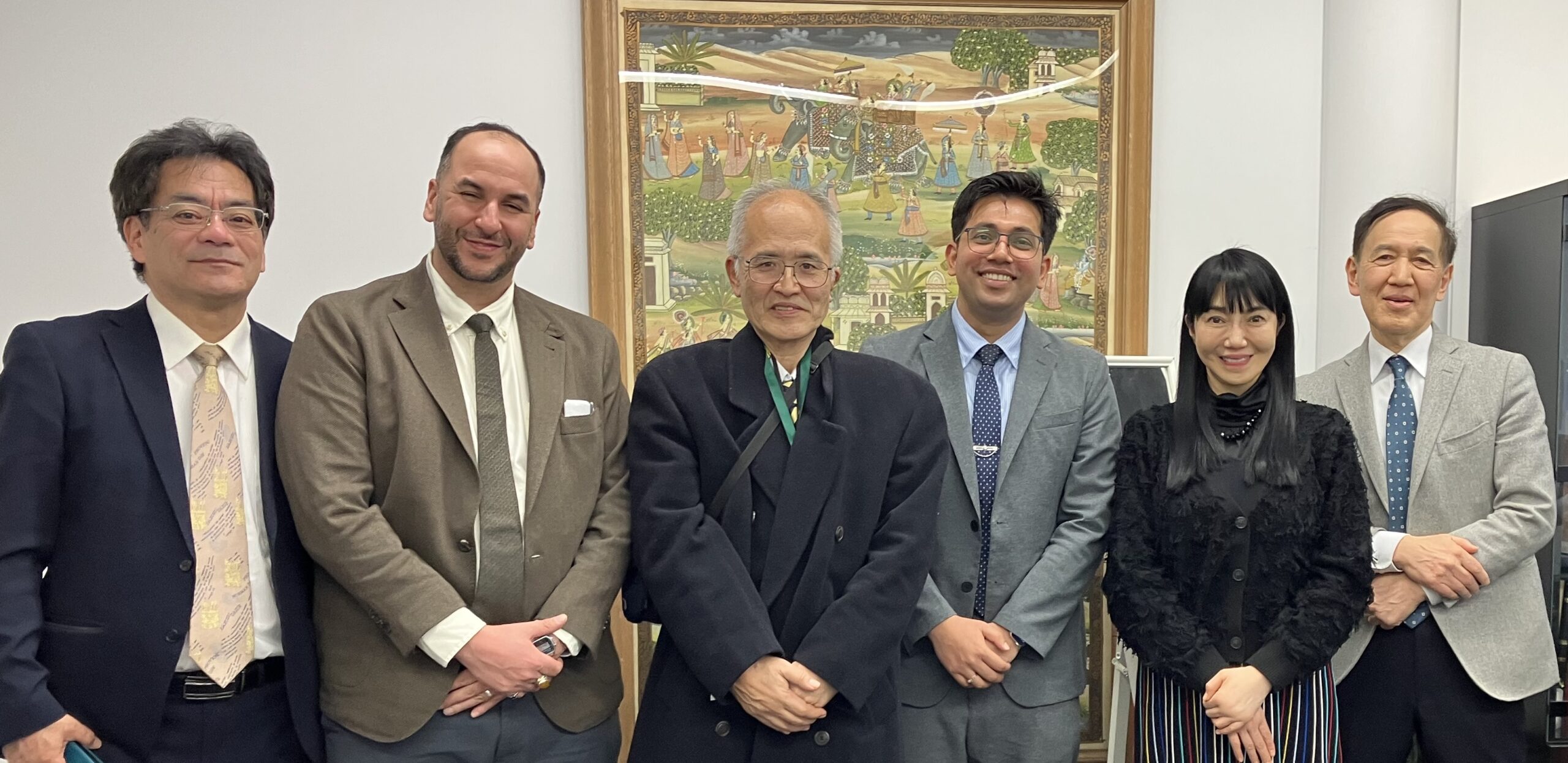
Pictured above: Welcome party in the office of Dr. Chieko Kato, Chair of the Department of Information Sciences and Arts, Toyo University, Japan.
MIU has a longstanding memorandum of understanding with Toyo University in Japan, a major private university with approximately 30,000 students. Kouider’s visit was designed to strengthen this relationship and explore new areas of cooperation in teaching, cultural exchange, and Consciousness‑Based educational initiatives.
Kouider was invited by two Toyo University leaders — Dr. Kensei Tsuchida, dean of computer science, and Dr. Chieko Kato, chair of psychology, sports science, and statistics. Both are long‑time Transcendental Meditation practitioners (Dr. Tsuchida also practices the TM-Sidhi program), and both have expressed interest in strengthening ties with MIU, including future reciprocal faculty visits.
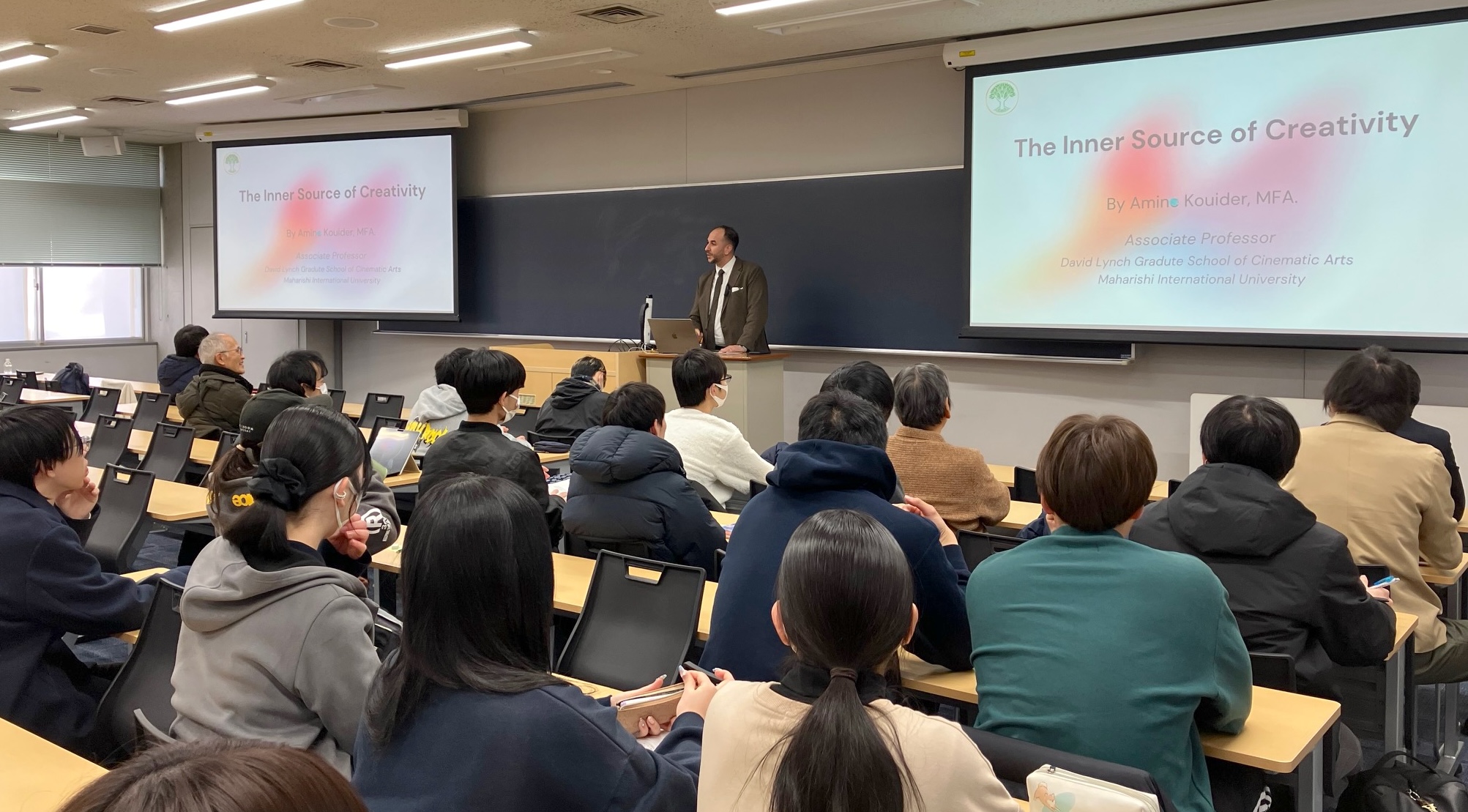
Kouider spoke to multiple student groups, including a large lecture of more than 100 students on the inner source of creativity. He was also invited to lead a smaller seminar with graduate psychology students, where the discussion focused on Consciousness‑Based Education and the role of developing consciousness in learning and creativity.
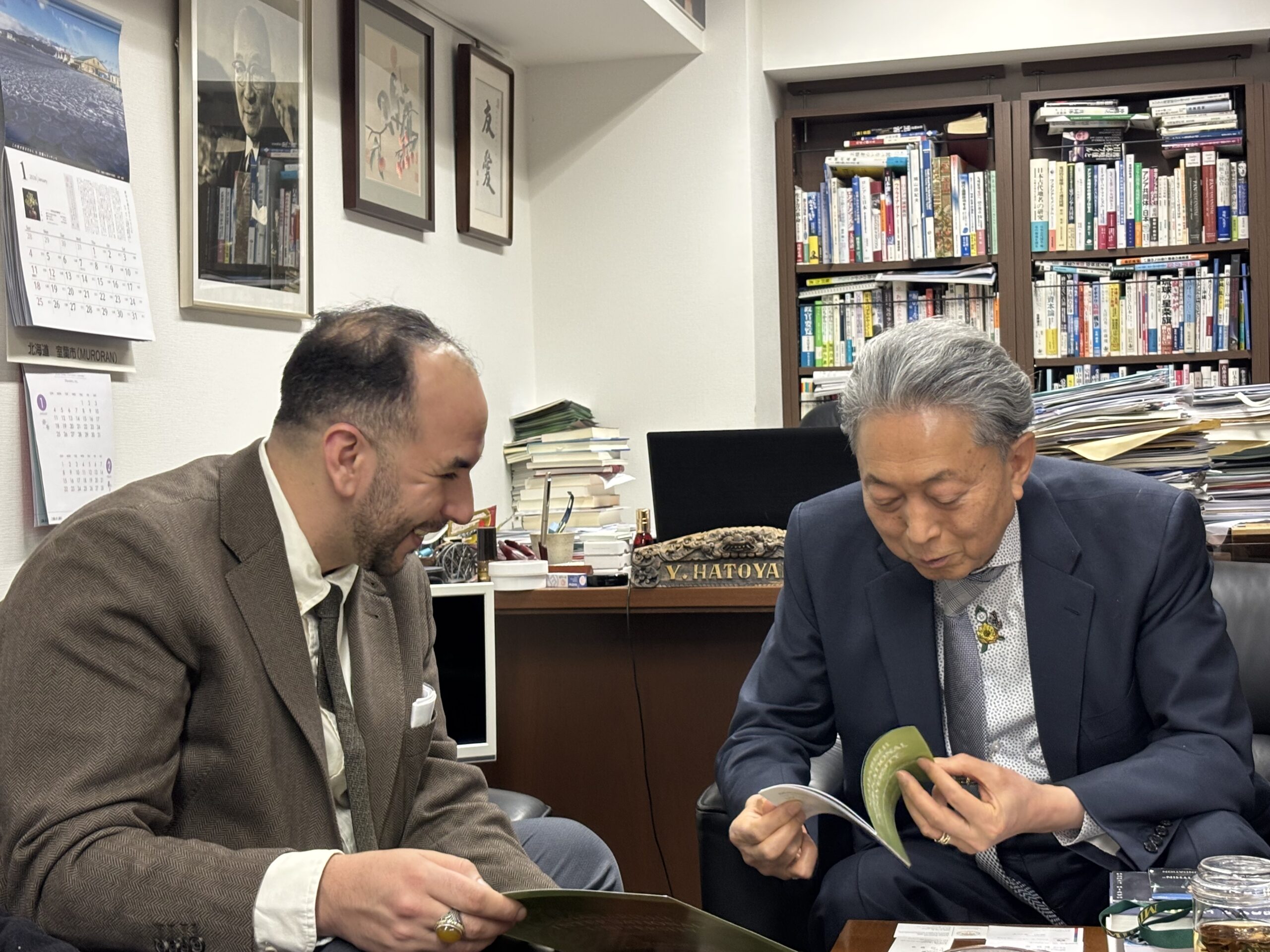
During the visit, Kouider met with former Japanese Prime Minister Yukio Hatoyama, a longtime supporter of MIU who delivered MIU’s commencement address in 2015. Hatoyama encouraged Kouider to introduce students to meditation during his lecture.
“When you actually meet people at different universities around the world, you see how deeply relevant the knowledge we have at MIU really is.”
— Amine Kouider
“We all closed our eyes together, and there was a very palpable silence in the room,” Kouider said of the student meditation session. “The faculty were deeply appreciative of that moment.”
“When you actually meet people at different universities around the world, you see how deeply relevant the knowledge we have at MIU really is,” Kouider said.
Meeting with Japanese government leaders
Beyond Toyo University, Kouider met with members of Japan’s parliament, the Indian ambassador to Japan and other representatives of the Indian Embassy and Consulate in Tokyo, and municipal leaders in several regions.
In the city of Izumi, near Osaka, Kouider met with the mayor and education officials to discuss the possibility of sister‑city and sister‑school relationships with Fairfield and MIU, as well as introducing consciousness‑based education in local schools.
“Ken Suzuki kept saying MIU is the field of all possibilities,” Kouider said. “His story really reminded me of the kind of graduates we have — people who simply don’t see limits.””
— Amine Kouider
Kouider met with several MIU alumni making an impact in Japan, including Kenichi Suzuki, an MIU graduate who helped manage Yukio Hatoyama’s successful prime ministerial campaign and is a senior leader of Japan’s Constitutional Democratic Party and represents the party internationally.
“Kenichi Suzuki kept saying MIU is the field of all possibilities,” Kouider said. “His story really reminded me of the kind of graduates we have — people who simply don’t see limits.”
He met with the principal of a secondary school in Greater Tokyo, Mrs. Shimo-yamada, on how to implement Transcendental Meditation into her school. He also met Ms. Noriko Miyakawa, the noted film editor who worked extensively with film director David Lynch across several major projects.
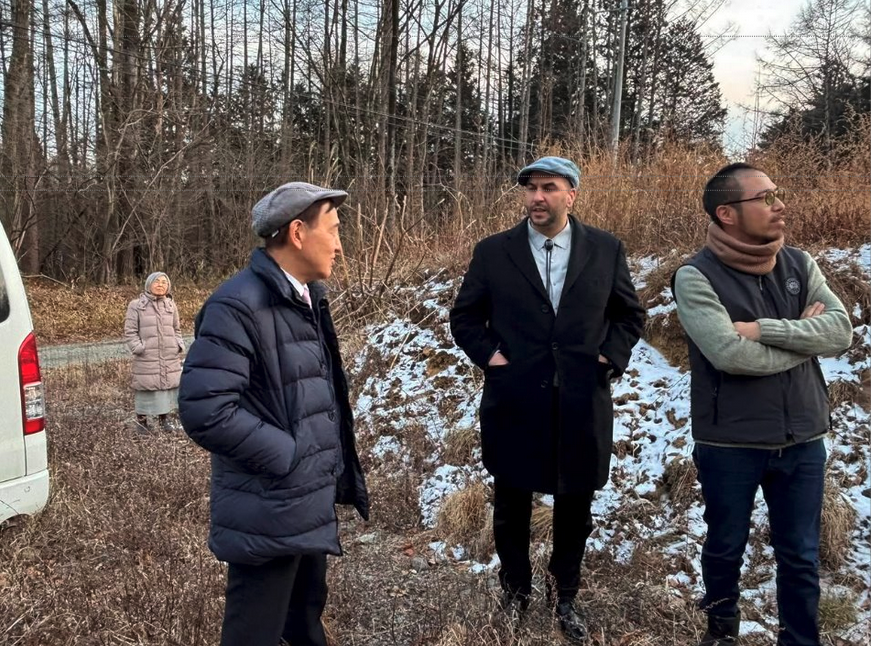
And he met with Mr. Taihei Takizawa, who wants to help create a Maharishi School in a community in the Yatsugatake mountains in central Japan, west of Tokyo.
The visit included cultural exchanges, such as attending a classical dance performance at the invitation of the Indian Embassy.
And he visited two sacred sites that Maharishi had also visited in Japan. One was the historic Sengen Shrine near Mount Fuji, a Shinto shrine where Kouider and his hosts participated in a traditional ceremony dedicated to peace. The other was to the Sanjūsangendō Temple, home to 1000 Golden Buddhas, in Kyoto.
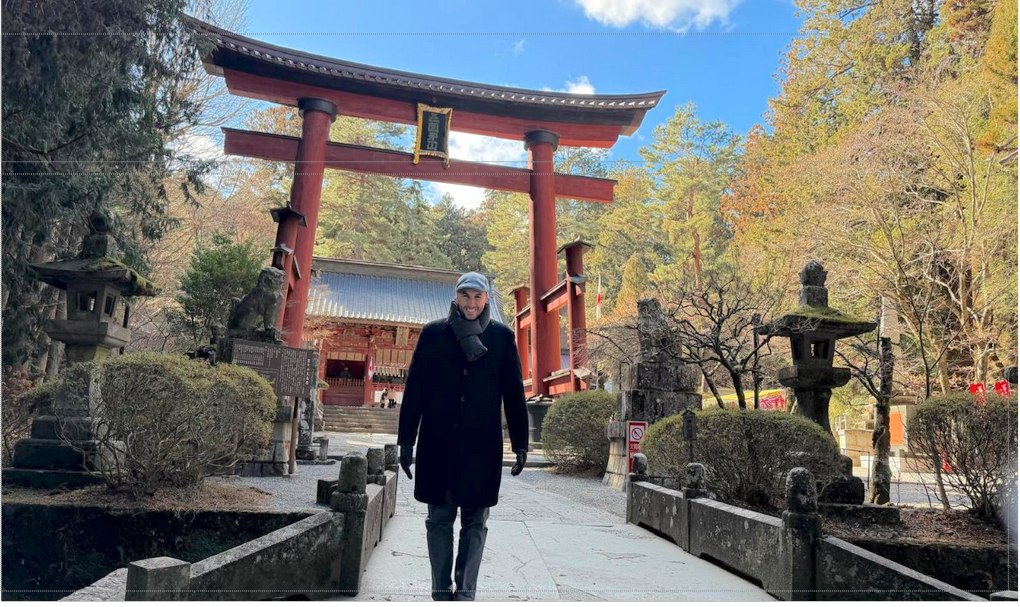
Reflecting on the experience, Kouider emphasized its broader meaning for MIU faculty and staff. “We get caught up in day‑to‑day responsibilities,” he said, “but this trip reminded me how rare and important this work really is. What we’re doing at MIU matters to the world.”
Coordination by MIU graduate Shizuo Suzuki
Dr. Shizuo Suzuki coordinated Kouider’s visit and itinerary. Suzuki graduated from MIU in 1983 with a degree in education and became one of the most successful Transcendental Meditation teachers in the world.
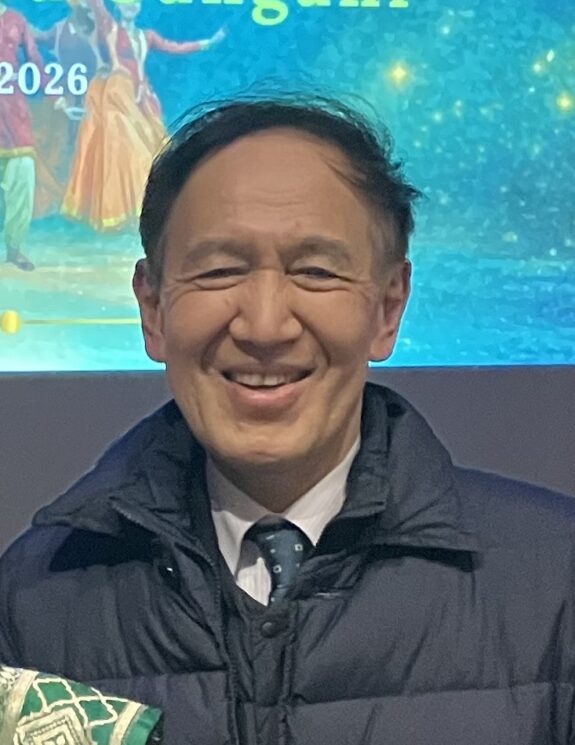
He became the leader of Japan’s national TM organization and wrote a best-selling book about TM in Japan. He has taught the TM technique to more than 2,000 people, including prime ministers and first ladies, government ministers and members of parliament, a state governor, city mayors, and leading business executives, and he has implemented TM Corporate Development Programs in more than forty companies, including some of Japan’s largest. He is now the Raja or global administrator of the TM organization in Japan.
In 2023, MIU awarded him an honorary Doctor of World Peace degree in recognition of his lifetime achievements.