
A landmark randomized controlled trial involving multiple research centers has found that the Transcendental Meditation (TM) technique led to significantly better blood sugar control, improved insulin function, higher levels of healthy cholesterol, and reduced overweight and obesity among Black women.
Published in the Journal of Women’s Health, the trial compared TM practice to a structured health education (HE) program over 12 months. It enrolled 201 women from clinical sites at Morehouse School of Medicine in Atlanta, Georgia, and Howard University Hospital Heart Center in Washington, D.C.
While both groups showed stabilization of carotid intima-media thickness (a validated measure of early atherosclerosis), only the TM group demonstrated substantial improvements in metabolic health, including hemoglobin A1c, insulin sensitivity, HDL cholesterol, and modest weight loss in overweight participants.
Transcendental Meditation offers unique benefits beyond health education
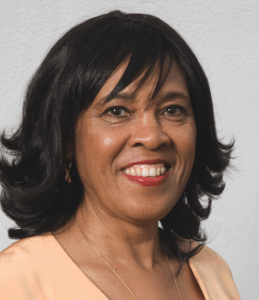
“Our study shows that Transcendental Meditation goes beyond traditional health education in addressing the metabolic risks that disproportionately affect older Black women,” said Dr. Carolyn Gaylord-King, lead author and Director of MIU’s Intervention Quality at the Center for Natural Medicine and Prevention. “We’re looking at an accessible behavioral intervention that may support not just cardiovascular health but the full range of metabolic factors driving disease.”
Transcendental Meditation is a standardized technique that allows the mind to settle inward to a state of deep rest, shown in previous research to reduce stress and improve neuroendocrine function. Participants in the TM group practiced the technique daily, attended regular group meetings, and demonstrated strong adherence over the course of the study.
Inclusive research addresses critical gaps
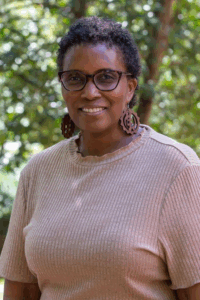
“Black women face some of the greatest inequities in heart and metabolic health,” said Charlie Harris, PhD, former faculty in the department of Family Medicine at Morehouse School of Medicine, current professor of psychology at Clayton State University, and a co-investigator in this study. “By demonstrating that meditation improves risk factors in this population, we begin to fill a longstanding gap in prevention research.”
The study highlights the role of stress — and chronic stress-related physiology — in metabolic disorders such as type 2 diabetes and dyslipidemia. The TM group experienced statistically significant reductions in HbA1c and insulin resistance, markers that were unchanged or worsened in the health education group.
A holistic approach to prevention
Though both interventions stabilized vascular health markers like carotid artery thickness, only TM practice produced a broader set of benefits for metabolic health. Researchers say this underscores the potential of integrating evidence-based mind-body practices into preventive cardiometabolic care.
The interventions were designed to be culturally tailored, led by trained Black women educators at both clinical sites to reflect the lived experiences, health beliefs, and social contexts of the study population.
“Cultural sensitivity means more than language or appearance,” Gaylord-King said. “It includes designing and delivering interventions that resonate with the values and lived experiences of the community.”
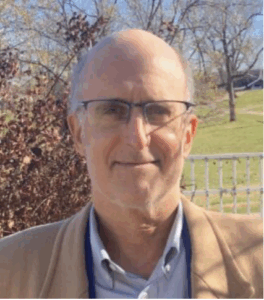
Robert H. Schneider, MD, FACC, senior author and Director of MIU’s Institute for Prevention Research, concluded, “This study highlights the potential of integrating non-pharmacological, mind-body approaches into cardiometabolic care, particularly for high-risk populations.
Other co-investigators include MIU researchers Dr. John Salerno, Dr. Kenneth Walton, and Dr. Sanford Nidich; Shichen Xu, Howard University Hospital Heart Center, Washington, District of Columbia; and C. Noel Bairey-Merz, Barbara Streisand Women’s’ Heart Center, Smidt Heart Institute, Cedars-Sinai Medical Center, Los Angeles, California.
The trial was supported by the National Institutes of Health – National Center for Complementary and Integrative Health (NIH-NCCIH). The full paper is available at Journal of Women’s Health.
* * * * *
Editor’s note – This article was prepared with the help of AI writing assistance tools to summarize the clinical study; our editors reviewed and refined the content to ensure accuracy and clarity. The banner image is an AI-generated image used for illustrative purposes, not a photo of actual study participants.
MIU’s 2025 graduating class set a new record, with 13 students from China graduating with doctoral degrees. No single country has had more students graduate from MIU with PhDs than China.
These students were part of a special PhD program in sustainable management designed for Chinese students.
Most of them are business owners or managers of their companies, taking the PhD program alongside their regular jobs — yet most of them succeeded in completing the program within four years.
“This is quite an amazing achievement,” said Professor Yunxiang Zhu, Vice President of Asian Expansion and Professor of Business Administration, who helped create the program. “It’s a tribute to the quality of students we attract and to their work ethic and desire for higher knowledge.”
Partnership with two major Chinese universities
The program involves a partnership between MIU and two Chinese universities — Shenyang Jianzhu University in Shenyang and the School of International Policy and Affairs of Shanghai Jiaotong University in Shanghai.
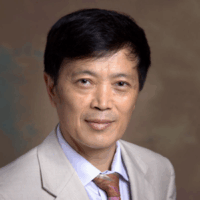
Through this partnership, which Professor Zhu helped orchestrate, Chinese students can enroll in an MBA in Sustainable Business or a PhD in Management, depending on their qualifications. Courses are taught by MIU professors and the host universities.
“International collaborations with universities in China have been very popular in the past decades,” Professor Zhu said. “The foreign education market in China is very competitive. Most Western universities operating in China are offering bachelor’s and master’s programs, which were hard for MIU to compete with.”
But MIU was one of the first to establish partnerships with Chinese universities for a doctoral program.
“While more Western universities are now offering doctoral programs in China, the good reputation and word of mouth we have built up over the past twenty years will help us stay strong there.”
— Professor Yunxiang Zhu
“Our PhD in Management gave us the ‘first mover advantage’ in China when we entered into the Chinese market before the pandemic,” Professor Zhu said. “While more Western universities are now offering doctoral programs in China, the good reputation and word of mouth we have built up over the past twenty years will help us stay strong there. This new group of very satisfied graduates will give our program a big push in China. One of our PhD graduates has already asked to be our representative to promote our programs there.”
“It has been a great joy working with this group of PhD students from China,” said Professor Lijuan Cai, the Administrative Director of MIU’s China programs. “They are very intelligent, kind, and very devoted to their study. I am very impressed with them.”
The 13 new MIU PhD graduates from China
杜宝印 Baoyin Du

Baoyin Du is a senior executive in one of China’s top five real estate companies. He also invests in and operates his own education and international cultural exchange company. His doctoral dissertation – “Innovation Models for Sustainable Development of Real Estate Enterprises under the Circular Economy Perspective: A Case Study of B Group.”
Baoyin Du was this year’s outstanding PhD graduate from MIU. In his speech, he expressed his appreciation to the faculty who had guided him, both at MIU and at Shenyang Jianzhu University.
“I have not only gained the courage and insight to confront risks and challenges in enterprise management but have also cultivated within myself a spirit that is serene, resolute, and unwaveringly strong through my practice of Transcendental Meditation.”
— Baoyin Du
“I have not only gained the courage and insight to confront risks and challenges in enterprise management but have also cultivated within myself a spirit that is serene, resolute, and unwaveringly strong through my practice of Transcendental Meditation,” he said in his speech. “You have elevated my perspective, enabling me to connect with the vibrant world from a higher dimension. Becoming an outstanding graduate of this esteemed university is definitely one of the most important moments in my life.”
杨传飞 Chuanfei Yang
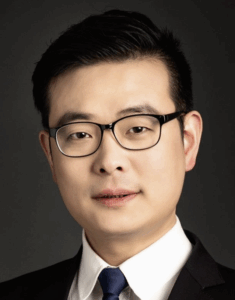
Chuanfei Yang is the Executive Deputy Director of Shanghai Financial Intelligent Engineering Center, responsible for the center’s daily operations and external business development. He is also Director of the Certificate Center of Shanghai University of Finance and Economics Lifelong Education College, responsible for the issuance of individual certificates for the education and training programs of Shanghai University of Finance and Economics.
His doctoral dissertation is entitled “Non-degree Education Quality Evaluation Based on the CIPP Model.”
江南 Nan Jiang

Nan Jiang came to MIU with a Bachelor’s of International Commerce and a Master’s in International Finance, graduating with distinction from one of the top ten universities in UK for her master’s degree. She then gained ten more years of experience in the banking sector and worked as the senior manager in a state-owned bank before joining MIU in 2021 to pursue a PhD in management.
Her doctoral dissertation is entitled “Impact of ESG Practices on the Cost Efficiency of Listed Banks in China.”
陈威 Wei Chen
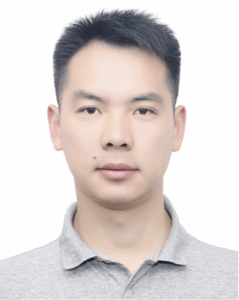
Wei Chen is the owner and president of Zhejiang Unijia Intelligent Technology Co., Ltd., a company committed to biodiversity conservation. They developed and produced an AI bird feeder that has become popular in North America.
The company has long-term partnerships with Costco, Walmart, and Amazon. Its TT Nature Bird Feeder with Camera — a best-seller on Amazon — delivers immersive birdwatching to your phone and to the cloud and can identify more than 10,000 species of birds.
His doctoral dissertation is entitled “Influence of Environmental Regulation on Green Innovation for Heavy Polluting Enterprises: A Heterogeneity Analysis.”
李艳 Yan Li
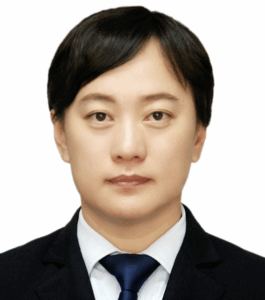
Yan Li is deputy director and associate professor in the Sports Department of Shenyang Jianzhu University. An international referee, she has participated in refereeing at the Olympic Games, Asian Games and World Games. She has frequently been named Outstanding Teacher, Advanced Individual in Teacher Ethics and Teaching Style, Outstanding Referee, and has been recognized as an outstanding educator at her university.
Her doctoral dissertation is entitled “Public Sports Service Innovation in Shenyang, China: A Comparative Case Study.”
田依 Yi Tian
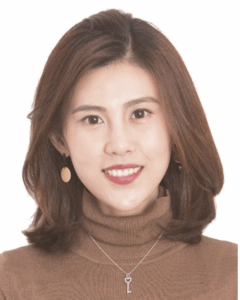
Yi Tian is an Associate Professor and full-time faculty member at the School of Design and Art, Shenyang Jianzhu University, specializing in visual art and design. She holds patents in hydrogen-rich cup design, cups that use advanced technology to infuse regular water with molecular hydrogen — hydrogen-rich water is believed to offer various health benefits. She also holds patents in decorative wall lighting.
Her doctoral dissertation is entitled “Enhancing Pedestrian Satisfaction: A Quantitative Analysis on Visual Perception Factors.”
孙震 Zhen Sun

Zhen Sun is the Senior Project Director in the Academy for Education Development and Innovation at the Education University of Hong Kong. Specializing in teacher education and related disciplines and with a total student enrollment of more than 9,000 students, EdUHK serves as a hub for educational development and innovation in Hong Kong and the Greater Bay Area (comprising eleven cities in southern China). In that capacity he oversees the admissions of four professional master’s degree programs along with school operations.
His doctoral dissertation is entitled “Impact of Internal Resource Allocation on Strategic Execution.”
吴国峰 Guofeng Wu
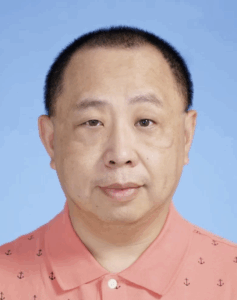
Guofeng Wu is the Chairman of Hainan Chengxi Investment Co., Ltd., in Hainan, China. The company recently made a significant philanthropic contribution of HK$6 million to the Education University of Hong Kong to support innovation in artificial intelligence, neuroscience, and child development research. Guofeng Wu also serves as Chairman of the Beijing Zhongshan Century Culture Communication Company, a company involved in cultural promotion and media-related activities. He has held senior positions in many well-established companies, including president of the Huabin International Group Limited (Hong Kong).
His doctoral dissertation is entitled “Research on the Management Mode of ‘Nursing Home + Kindergarten.”
黄士升 Shisheng Huang
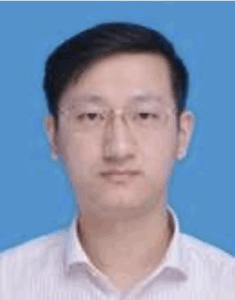
Shisheng Huang is the director of compensation and performance division of Taiping Pension Human Resources Department, part of Taiping Pension Insurance Co., Ltd., a leading Chinese pension insurance provider specializing in enterprise annuities, occupational pensions, and employee welfare plans. The HR department oversees talent acquisition, staff development, and internal welfare programs that support the company’s mission to deliver high-quality retirement and insurance services across China.
His doctoral dissertation is entitled “The Impact and Mechanism of Supervisor-subordinate Relationship (SSR) on Organizational Citizenship Behavior (OCB) in Enterprises: Evidence from Chinese State-Owned Enterprises.”
屈彤 Tong Qu
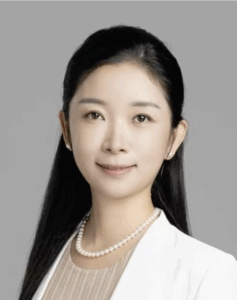
Tong Qu is the Chief Operating Officer at Hong Kong Unknown Future Education Development Co., Ltd. She has strong experience in curriculum development, data analysis, project coordination, and brand promotion, along with a wide range of skills, including managing course lifecycles, supporting strategic decisions, organizing publicity events, and producing professional documents.
Her doctoral dissertation is entitled “Study on the Impact of Digital Economy on Regional Coordinated Development under the Perspective of Labor Mobility.”
赵青 Qing Zhao

Qing Zhao is the regional general manager of Shanghai Dahua Commercial Group. He is responsible for the investment promotion, operation, property management and other matters related to shopping malls and commercial districts.
With more than 20 years of experience in commercial project development and operation management, he is committed to creating better commercial projects and providing consumers with better services.
His doctoral dissertation is entitled “Research on the Influence Mechanism of Shopping Mall Operation on Consumer Loyalty: An Analysis of the Mediating Effect of Tenant Attachment.”
郑杨 Yang Zheng

Yang Zheng currently works at the Shanghai Branch of Dongya Qianhai Securities Co., Ltd., where she specializing in wealth management and delivers expert financial services to high-net-worth clients and listed companies. With many years’ experience as a senior manager, she excels in innovative areas of the securities industry, including bond and brokerage business.
Her doctoral dissertation is entitled “The Mechanism of Generational Succession on The Family Firms’ Financialization – Analysis of Chinese Listed Companies.”
桑锦海 Jinhai Sang
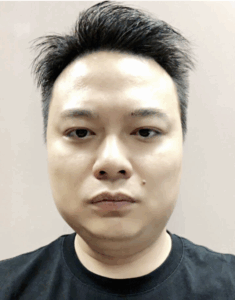
Jinhai Sang is the Director of Shanghai Fuxihui Catering Co., Ltd., overseeing foreign investment and public relations business. He also extensive experience in mall management, having led department store investment, operations, and marketing. He developed and executed work plans, drove sales performance, and ensured overall profitability.
His doctoral dissertation is entitled “Research on Business Strategy Factors of Healthy Fast-Food Industry Based on Service Quality Model: The Market of Shanghai.”
Reporting by Professor Yunxiang Zhu and Professor Lijuan Cai.
On Saturday afternoon, June 21 — which also happened to be International Yoga Day — and amid a sea of gold and white caps and gowns, 802 students received MIU degrees: 163 bachelor’s degrees, 592 master’s degrees, 24 Master of Fine Arts degrees, and 17 doctoral degrees.
It was a truly international event. The graduating students represented 58 countries. Apart from the US, the countries with the most students graduating were Ethiopia (79), Nepal (64), South Africa (45), Bangladesh (33), Eritrea (29), Vietnam (27), Uganda (24), Pakistan (17), Mongolia (17), and China (11).
What a change from MIU’s very first commencement, held exactly fifty years earlier, in 1975. MIU’s first graduating class consisted of 51 students who received one of the two available degrees — a bachelor’s in interdisciplinary studies and a master’s in education.
The commencement address by 2014 Nobel Peace Laureate Kailash Satyarthi, punctuated throughout by applause, brought the audience to its feet in a rousing standing ovation at the end.

Satyarthi won the Nobel Peace Prize for his life’s work rescuing children from slavery, trafficking, and forced labor and for inspiring similar movements worldwide. His organizations and movements have a global presence in 140 countries, including the Global March Against Child Labor, a coalition of over 2,000 social-purpose organizations and trade unions operating across these countries.
In his address, he explained how his life’s work emerges from a powerful sense of compassion.
“Compassion is not a soft emotion,” Satyarthi said. “It is not kindness, sympathy, empathy, or reverence. No. These are all great human traits. But compassion is different. Compassion is the sense of being responsible for each other. Compassion is the force born from the deepest feeling for the suffering of others as your own suffering, that drives one to take action to elevate that suffering.”
“We have to feel for others that they are your own sisters, brothers, fathers, mothers, children. That feeling is a must in the world which is lost.”
— Kailash Satyarthi
“We have to feel for others that they are your own sisters, brothers, fathers, mothers, children,” he said. “That feeling is a must in the world which is lost.”
Consciousness and compassion go hand in hand with each other, he said. “Compassion is something which we have to take forward along with elevating the level of consciousness. Both of them go hand in hand for your inner growth and outer growth.”
“We talk of interdependency and interconnectivity,” he said. “The world has never been so interconnected as it is today, but we don’t feel responsibility for others. We cannot live without each other. The nations cannot survive. That [sense of responsibility] is compassion.”
“Compassion is biological, it’s neurological, it is innate,” he said. “We are all born with it. This is the time to globalize compassion.”
Then he called on the audience. “Who will do it?” he asked. “Who will do it? Who will raise the consciousness of the world?” As one, the audience proclaimed, “We will!”
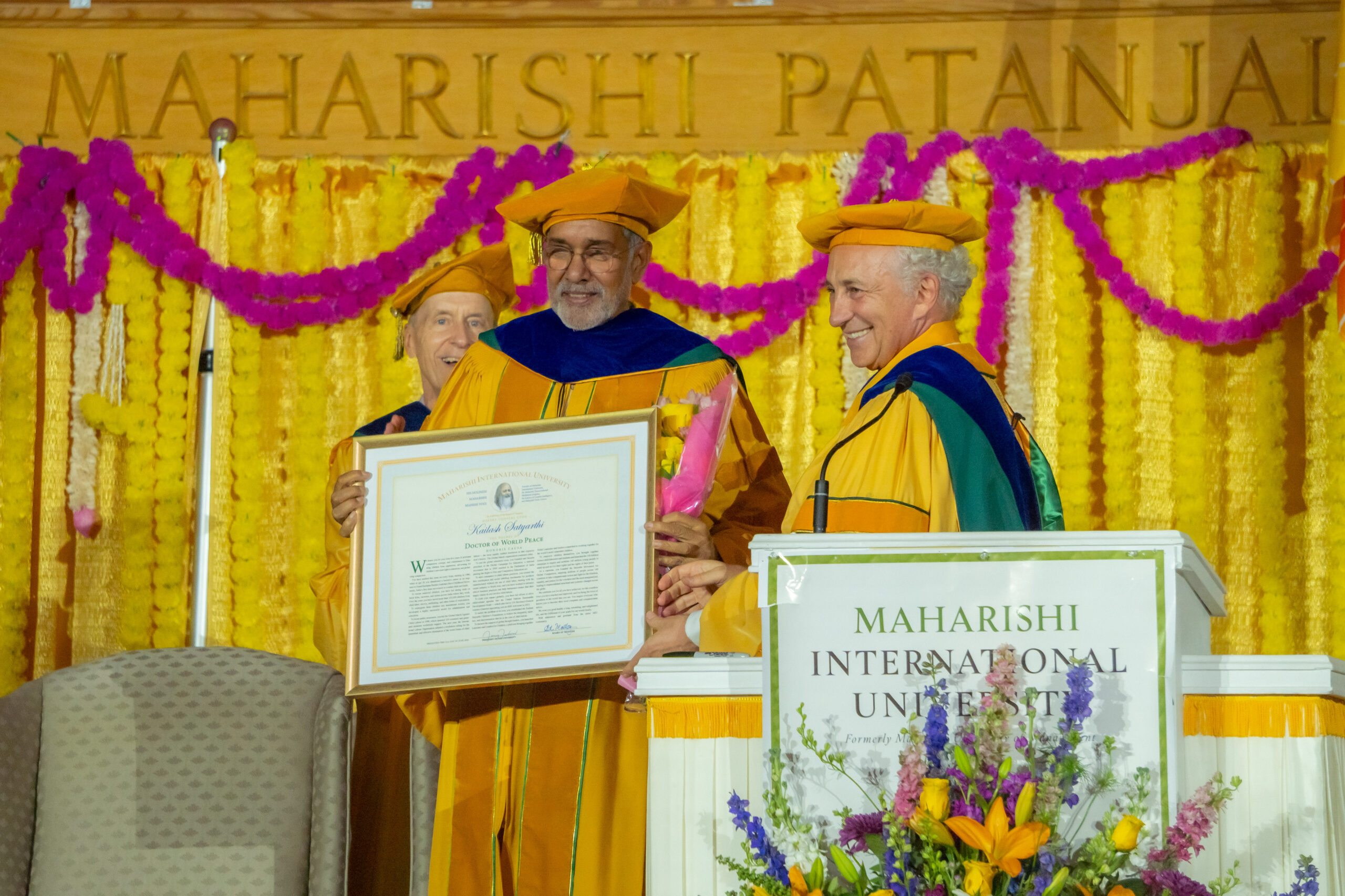
At the close of his address MIU President Dr. Tony Nader presented Mr. Satyarthi the degree of Doctor of World Peace honoris causa.
Dr. Nader also presented the degree of Doctor of Education honoris causa to MIU Trustee Josephine Fauerso, who has served as a member of the board since 1972, when the board was first formed.
“It’s been an inner and outer transformation – valedictorian and salutatorian addresses and class gift
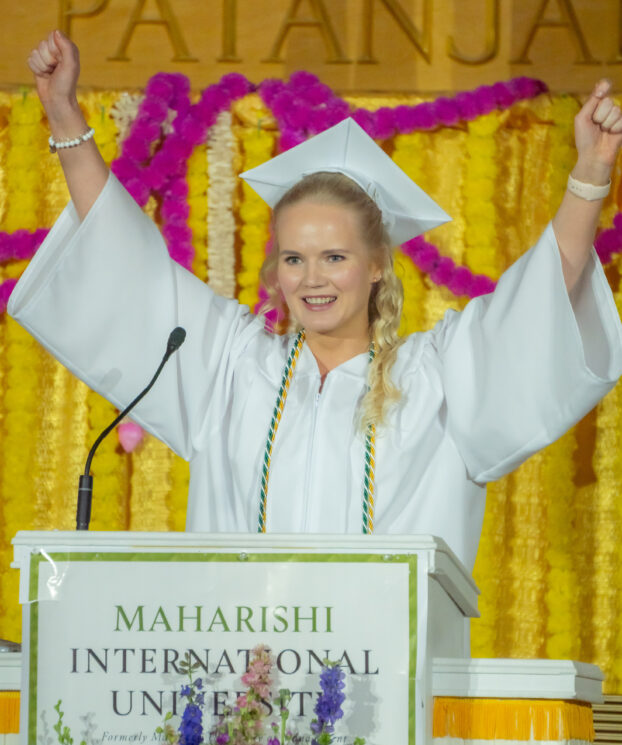
Marta-Kristi Pold, who was graduating with a bachelor of arts in Consciousness and Human Potential, gave the valedictorian address.
“How lucky we are to be here to learn in peace and to receive an education that nurtures both intellect and spirit,” she said.
“At MIU we’ve cultivated something AI can’t replicate: consciousness,” she said — “that quiet, steady presence within. Because the most powerful intelligence isn’t artificial. It’s inner. AI can encode your apps, write your papers, even design your slides. But it can’t feel joy, imagine dreams, follow intuition, realize wisdom, or express love. We can.”
“We’re not just walking out of here with degrees. We are walking out with the ability to stay calm in chaos, grounded in change, and creative in complexity.”
— Marta-Kristi Pold
“So no, we’re not just walking out of here with degrees,” she said. “We are walking out with the ability to stay calm in chaos, grounded in change, and creative in complexity. That comes not from machines but from stillness.”
Courtney Beth Fenek, graduating with a bachelor of Applied Arts and Sciences with a specialization in Ayurveda Wellness and Integrative Health, gave the salutatorian address.
“When I look back on what allowed me to take the leap when returning to school, the answer is clear — MIU,” she said. “The faculty and staff saw the potential in me and all of us, often before we could see it ourselves. Their guidance and belief in our growth has laid the foundation for futures filled with purpose and possibility.”
“It is through their hard work and support that our education has gone far beyond just knowledge,” she said. “It has been inner and outer transformation.”
On behalf of the graduating class, Ms. Fenek presented the class gift, “a scholarship fund which will support future students who embody MIU’s mission values and potential.” “This will lay the foundation for incoming students who need this in order to flourish at MIU,” she said, “so they can take their own leap into a new journey of enlightenment.”
Charge to the graduating students
At the close of the event, after hundreds of diplomas had been presented, hundreds of pictures taken, hundreds of cheers and rounds of applause, MIU President Tony Nader delivered the traditional charge to the graduating students.
“It is an honor and a profound joy to stand before you today at this momentous commencement ceremony, to feel your vibrant energy, to witness your joy, and to perceive the deep sense of purpose you carry with you,” he said. “It is truly inspiring. You are ready to step out into a world eagerly awaiting your contributions.”
Reflecting on Kailash Satyarthi’s address, President Nader said, “At MIU, compassion is not mere sentiment, it is a dynamic force for change in the world. A higher level of consciousness naturally embraces all life as part of oneself. This makes the injunction to love thy neighbor not a contrived effort but a natural, spontaneous outflow of your being.”
“I charge you to always go for the highest good, to think big, and to know, without a shadow of a doubt, that you can contribute to happiness, flourishing, and well-being, not only for yourselves, but for all society.”
— MIU President Dr. Tony Nader
“This expanded identity, where others become part of yourself, is a glorious and inevitable outcome of cultivating higher consciousness,” he said. “I charge you to always go for the highest good, to think big, and to know, without a shadow of a doubt, that you can contribute to happiness, flourishing, and well-being, not only for yourselves, but for all society. You are equipped to foster peace and harmony for the entire world family, this world.”
“A peaceful, prosperous, thriving, sustainable, regenerating, enlightened world is possible,” he said. “It is doable. It is practical. You deserve to live in that world. And who better than you to bring it about?”
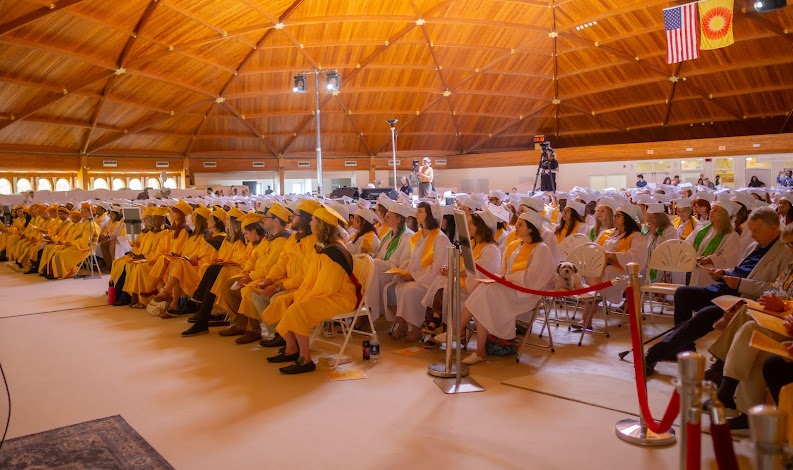

Fairfield and Jefferson County are becoming known around the world as a hub of innovation, entrepreneurship, and sustainability, and international organizations are taking notice.
One international organization bestowed one of the highest honors possible on Fairfield by naming it one of the Top 7 Intelligent Communities of 2025. The honor was bestowed by the Intelligent Community Forum, which made the announcement on June 17 during an awards dinner in Madrid, Spain.
Fairfield and six other cities will now compete to be named the ICF’s Top Intelligent Community. According to the ICF’s website, the seven competitors are:
- Assaí, Paraná, Brazil
- Bursa Metropolitan Municipality, Türkiye (formerly Turkey)
- Durham Region, Ontario, Canada
- Fairfield/Jefferson County, Iowa, USA
- Hilliard, Ohio, USA
- Kingston, Ontario, Canada
- Las Rozas de Madrid, Spain
ICF Executive Director Matthew Owen wrote a paragraph on each city and why it was included in the Top 7 list. For Fairfield/Jefferson County, Owen noted that it had nearly six times more small businesses per 100 people than the average for U.S. cities. He mentioned its high percentage of households with broadband internet, MIU’s computer science department attracting global talent, Fairfield’s CoLab fostering start-ups, as well as achievements in solar power, child care and the arts.
Fairfield resident Bob Ferguson was the driving force in collecting information for Fairfield’s ICF application. Fairfield has entered this contest three years in a row, and all three years made the Smart21 group of semifinalists. Each year, Fairfield’s application was more sophisticated and more detailed than the last, and this year “our narrative really outdid itself,” Ferguson said.
Ferguson said that gathering the data on Fairfield’s economic development was a labor of love since it allowed him to explore the “creativity of our community and what makes us so interesting and unique among small, isolated communities.” He noted that Fairfield is even quite different from the other North American small city that made the Top 7, Hilliard, Ohio. That city is three times Fairfield’s size and is a suburb of Columbus.
“That’s very different from a town of 10,000 out on the prairie,” he said. “We’re not near a big city, so we have to create from scratch.”

Ferguson said he “collated” the information for Fairfield’s application, putting it all into a coherent narrative, but what he collated “was created by all of us.”
“This is really an honor that belongs collectively to all of us in the community.”
— Bob Ferguson
“This is really an honor that belongs collectively to all of us in the community, who in toto with our artistic, economic and social entrepreneurism, have created something recognized by scores on objective measures that place us in the Top 7 among 430 cities that compete in the first round of this.”
What’s next
Now that Fairfield has advanced to the final round, it’s time to get ready for the last push to win the competition. The seven finalists will gather in Vietnam Dec. 2-4 for their final presentation, and Ferguson hopes to take a nice contingent from Fairfield of perhaps half a dozen people representing private and public sectors.
But even before that final round in Southeast Asia, at least one of the founders of ICF will make a site visit to Fairfield this fall, probably in September or October. Ferguson said he really hopes Fairfield can put its best foot forward during this visit, and is one reason he’s taken such a keen interest in cleaning up the downtown.
If Fairfield is chosen as the top city, it’s really going to put the city on the map, as illustrated by previous ICF winners. Ferguson mentioned that Columbus, Ohio, was named the top city last year, and soon after that the city won a $40 million contract with a big business it was attempting to lure to town.
Ferguson said he also thinks winning this recognition will instill pride in the residents of Fairfield and Jefferson County, and encourage them to keep thinking about improving their town and county.
Fairfield has also just been designated an Iowa “Main Street Community,” joining an elite group of Iowa towns.
Originally published in the Southeast Iowa Union, July 24, 2025. Reprinted with permission.
Photographs by Werner Elmker. Reprinted with permission.
Click here for a video about these awards by IntelligentCommunity.org and here to read the story about Fairfield on their website.